

Culver City | Its Own City and School District
A walkable downtown and a separate school system.
Culver City Real Estate | A Separate City Inside Los Angeles
Culver City is an incorporated city of roughly 41,000 people in Los Angeles County, wrapped almost entirely by the City of Los Angeles and bordered on its eastern side by the unincorporated county communities of Ladera Heights and the Baldwin Hills area. Founded by Harry Culver, it has been a film production center for more than a century, and the studio economy still anchors it: Sony Pictures occupies the former MGM lot, Amazon MGM Studios has its headquarters at The Culver Studios downtown, and Apple has built substantial television, film and music operations in the city over the past decade. It covers about five square miles across ZIP codes 90230 and 90232. Because it is a separate municipality, everything a homeowner deals with runs through Culver City rather than Los Angeles: building permits, zoning, code enforcement, police, fire, and the city's own tenant protections.
One of the main reasons buyers look here is the school district, but it is not the only reason and often not the most important one. The first is work. Between Sony Pictures, Amazon MGM Studios at The Culver Studios and Apple's television, film and music operations, Culver City holds one of the densest concentrations of entertainment industry employment in Los Angeles, and people who work in those industries want to live within reach of them. The second is downtown Culver City, a walkable core of restaurants, bars, a cinema and public space that almost nothing else on this side of Los Angeles offers. Much of the city can reach it on foot or by bike rather than by freeway, and for a lot of buyers that is the whole appeal.
The school district is the third reason, and for many buyers it is the deciding one. Culver City Unified School District serves roughly 6,500 students across five elementary schools, a middle school and Culver City High School, and recent state testing puts proficiency at roughly 54 percent in math and 65 percent in reading. The Los Angeles Unified figures for the same measures run closer to 33 percent and 40 percent. That gap is the practical difference between Culver City and the neighborhoods immediately east of it, and it is priced into every house. The district also runs dual-language immersion at two elementary schools, El Marino Language School in Spanish and Japanese and La Ballona Elementary in Spanish, both admitting by district-wide lottery rather than by neighborhood.
Culver City is the most expensive market in this corridor. Single-family medians have recently run roughly $1.4 million to $1.7 million, with local MLS analysis putting the average sold price per square foot near $1,090, a premium of several hundred dollars per square foot over Ladera Heights and Baldwin Hills. Homes have been selling in around 39 to 45 days, and the market has been competitive, with well-positioned houses drawing multiple offers. Set against that, Fox Hills on the city's southern edge holds a substantial condominium market with recent medians closer to $590,000 to $640,000, so the spread between the cheapest and most expensive parts of a five-square-mile city is unusually wide.
Erica Lockhart and Lorin Ruttenberg of Ahead of the Curve Homes are longtime residents of this side of Los Angeles, and they cover Culver City alongside Baldwin Hills, Baldwin Vista, View Park, Ladera Heights, Leimert Park and West Adams. Between them the team brings more than 40 years of combined experience and more than 1,000 closed transactions, and it ranks in the top 1.5 percent of agent teams by volume in the United States in the Wall Street Journal REAL Trends rankings. Affiliated with Compass, they work as advocates rather than salespeople. In practice that means saying plainly when the same budget buys more house across the city line to the east, and when the schools, the walkability or the short commute to the studios is worth the Culver City premium.
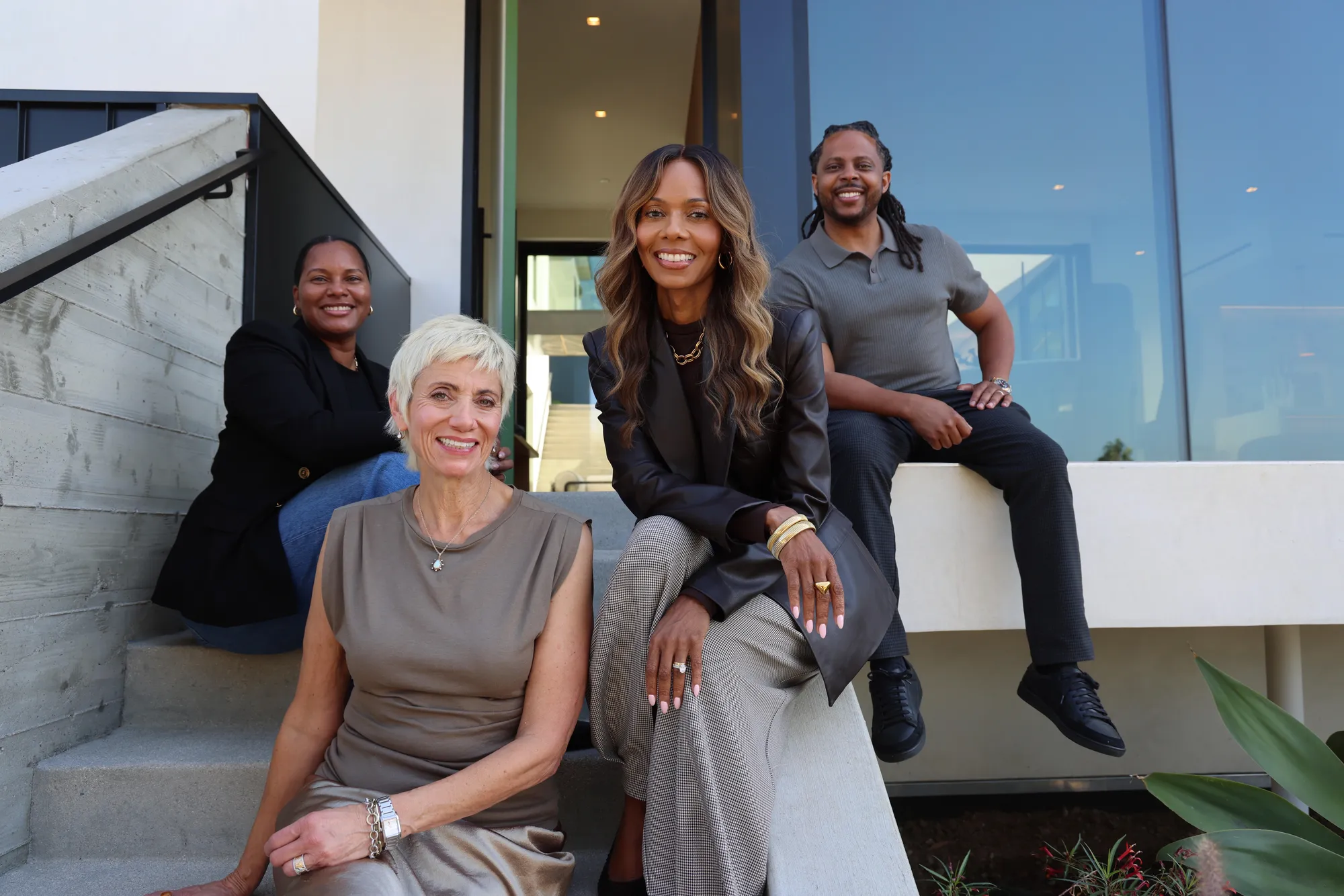
Your neighborhood team
Erica Lockhart and Lorin Ruttenberg
Longtime residents of this part of Los Angeles, with more than 1,000 closed transactions between them.
What to Love About Culver City
Its Own School District
Culver City Unified serves roughly 6,500 students across five elementary schools, a middle school and Culver City High School, with recent state testing showing proficiency near 54 percent in math and 65 percent in reading, well above the Los Angeles Unified figures. For many buyers this is a decisive reason to be here.
A Walkable Downtown
Downtown Culver City is a genuine walkable core with restaurants, bars, a cinema and public space around the Culver Hotel and The Culver Studios, which is rare on this side of Los Angeles. Most of the city can reach it without a freeway.
Rail at Ivy Station
The Metro E Line stops at Culver City station beside Ivy Station, a mixed-use development at the eastern edge of downtown, putting Santa Monica and downtown Los Angeles on a single direct line and connecting to the K Line toward LAX at Expo/Crenshaw.
A Real Studio Economy
Culver City has been a production center for over a century. Sony Pictures occupies the former MGM lot, Amazon MGM Studios anchors The Culver Studios downtown, and Apple runs television, film and music operations in the city. That means thousands of jobs within walking or cycling distance of homes.
Two Dual-Language Immersion Elementaries
Culver City Unified runs dual-language immersion at two elementary schools, El Marino Language School in both Spanish and Japanese and La Ballona Elementary in Spanish. Both admit by district-wide lottery rather than by address, and there is very little like them in the wider area.
Distinct Neighborhoods at Different Prices
For a city of five square miles, Culver City has an unusual number of named neighborhoods at genuinely different price points, from Fox Hills condominiums under $700,000 to hillside houses in Blair Hills and Culver Crest well above $2 million. There is more than one way in.
Culver City Neighborhoods | A Buyer's Guide
Culver City packs an unusual number of distinct neighborhoods into five square miles, and unlike most of the areas in this corridor they are tracked separately by the portals, which means each has its own market character. Where a house sits determines both price and product far more than in the surrounding Los Angeles neighborhoods. New construction and heavily reworked houses are a significant part of the market across the city, and they are where the architectural interest is. The ranges below reflect typical recent activity.
Downtown Culver City and Ivy Station
Downtown is the walkable core, built around the Culver Hotel, The Culver Studios and a cluster of restaurants, bars and a cinema, with the Metro E Line station and the Ivy Station mixed-use development at its eastern edge. Housing here skews toward newer condominiums and apartments rather than houses, much of it purpose-built to take advantage of the transit access. Buyers here are buying a car-light lifestyle, and they should read HOA budgets, reserves and guest-parking rules carefully, since the newer mixed-use buildings differ considerably from the older complexes elsewhere in the city.
Carlson Park
Carlson Park is the most coveted and competitive pocket in the city. The streets are lined with mature foliage and there's a real residential, community feel, yet the entire neighborhood is walkable to Culver City's thriving, bustling downtown. This area was originally developed in the 1940s with modest housing meant to accommodate soldiers returning from WWII and purchasing with the GI Bill. Today it's one of the top areas in all of Los Angeles where builders look for development opportunities. Drive the streets and you'll find many examples of forward-thinking, architectural, modern homes, many designed by significant architects. Brand new construction in this area sells between $4 million and $5 million, depending on the particulars of the home. A teardown will range between $1.7 million and $2 million, again depending on its particular qualities.
Blair Hills and Culver Crest
Blair Hills and Culver Crest sit at the literal top of the Culver City market. These hillside neighborhoods offer panoramic city views and larger lots that put them well above the citywide median, with recent activity including sales into the high $3 million range up to $4 million. Blair Hills in particular sits on the eastern edge of the city against the Baldwin Hills parklands, which gives it open space behind the houses and a short walk to trail access. As with any hillside market, grading, drainage and geotechnical review belong in the diligence.
Fox Hills and Jefferson Boulevard Complexes
Fox Hills, on the city's southern edge next to Westfield Culver City, is where the condominium market is concentrated and where the entry price to Culver City sits. Recent medians here have run near $590,000, against a citywide single-family median several times higher, and a substantial share of the inventory sits in established complexes rather than new buildings. For a buyer who wants Culver City Unified schools and city services without a $1.5 million entry price, this is the answer, and it is the part of the market most often overlooked by people who assume the whole city is out of reach. The condominium complexes along Jefferson Boulevard include Raintree, Lakeside Village and Tara Hills. They are all guard-gated communities with lush, expansive grounds and even a lake.
Culver West, Studio Village and Park East
The western and northern residential pockets, including Sunkist Park, Culver West, Studio Village, Park East, McManus and the Lucerne and Higuera area, hold much of the city's single-family stock outside the family core. Housing is mostly postwar single-family on regular lots, with recent listing medians across these areas clustering broadly between $1.5 million and $1.8 million. Culver West in particular has run very competitive, with homes selling in a little over a month. These are the pockets buyers look at when Carlson Park is out of reach.
Hayden Tract and the Helms District
Hayden Tract and the adjacent Helms Bakery District are the city's creative and design quarter rather than a residential neighborhood, notable for their contemporary architecture and their concentration of design, production and technology tenants. The city maintains a specific plan for Hayden Tract. For buyers, the relevance is proximity: living within walking or cycling distance of this area is a genuine draw for people working in those industries, and it supports the live-work character of the surrounding blocks.
Adjacent Areas Buyers Often Compare
Because Culver City is enclosed by Los Angeles, crossing any boundary changes the city, the permitting authority and the school district. Ladera Heights, east, is unincorporated county and served by Inglewood Unified. Baldwin Vista and Baldwin Hills, east and northeast, are City of Los Angeles and LAUSD, with mid-century hillside houses at a lower median. West Adams, northeast, is City of Los Angeles with much older housing and historic preservation overlays. Mar Vista and Playa Vista, west and southwest, are also City of Los Angeles and generally priced comparably to Culver City.

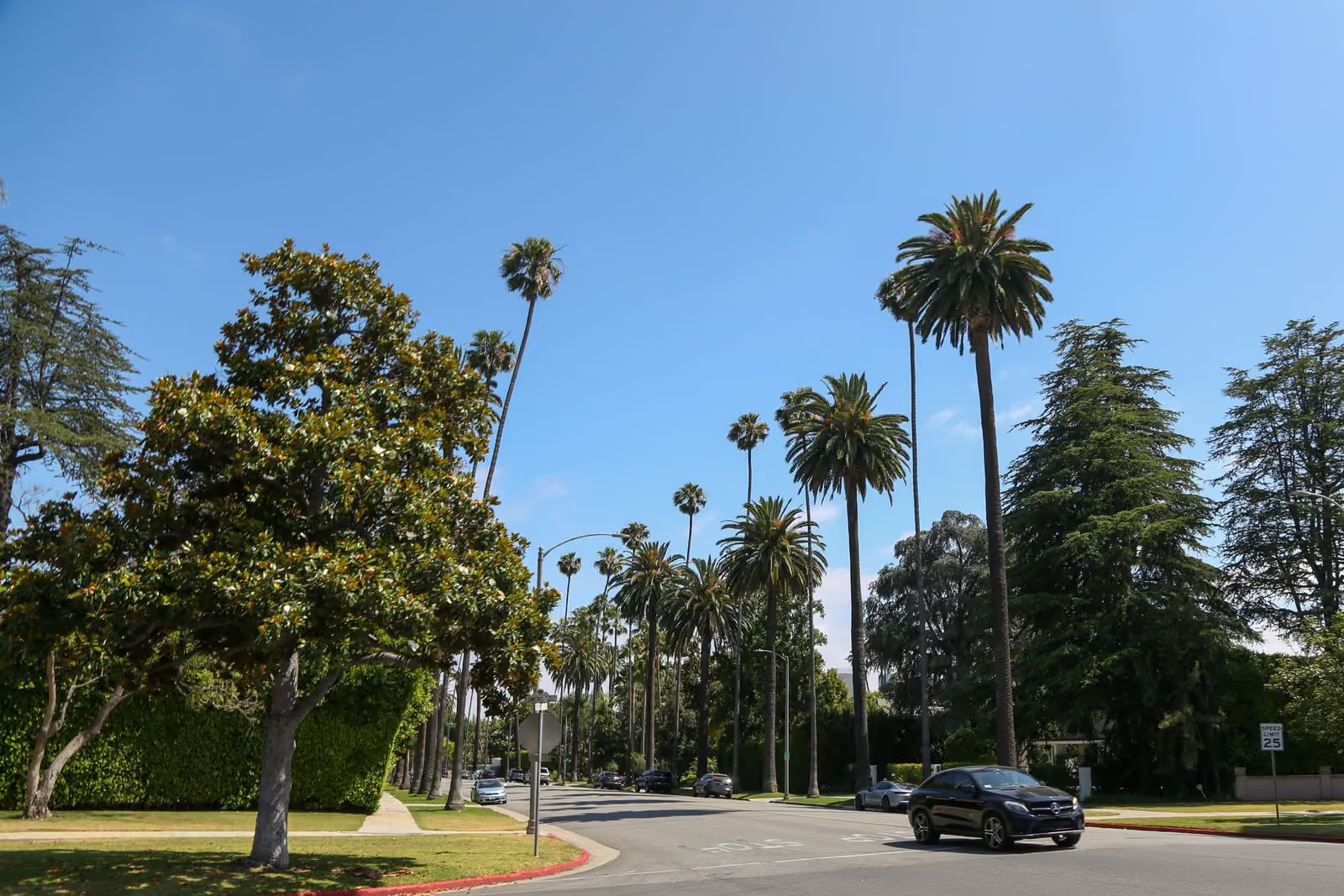


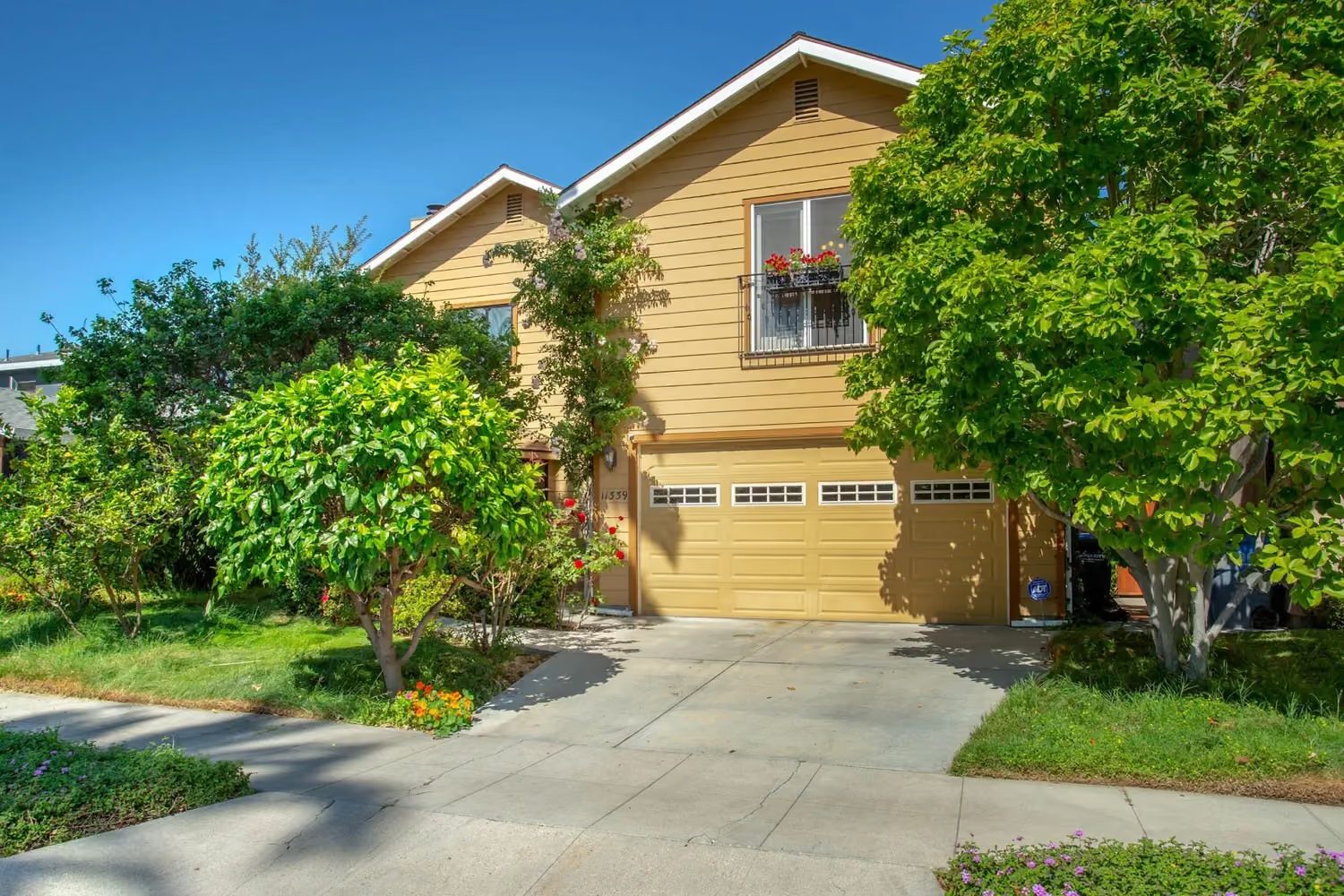
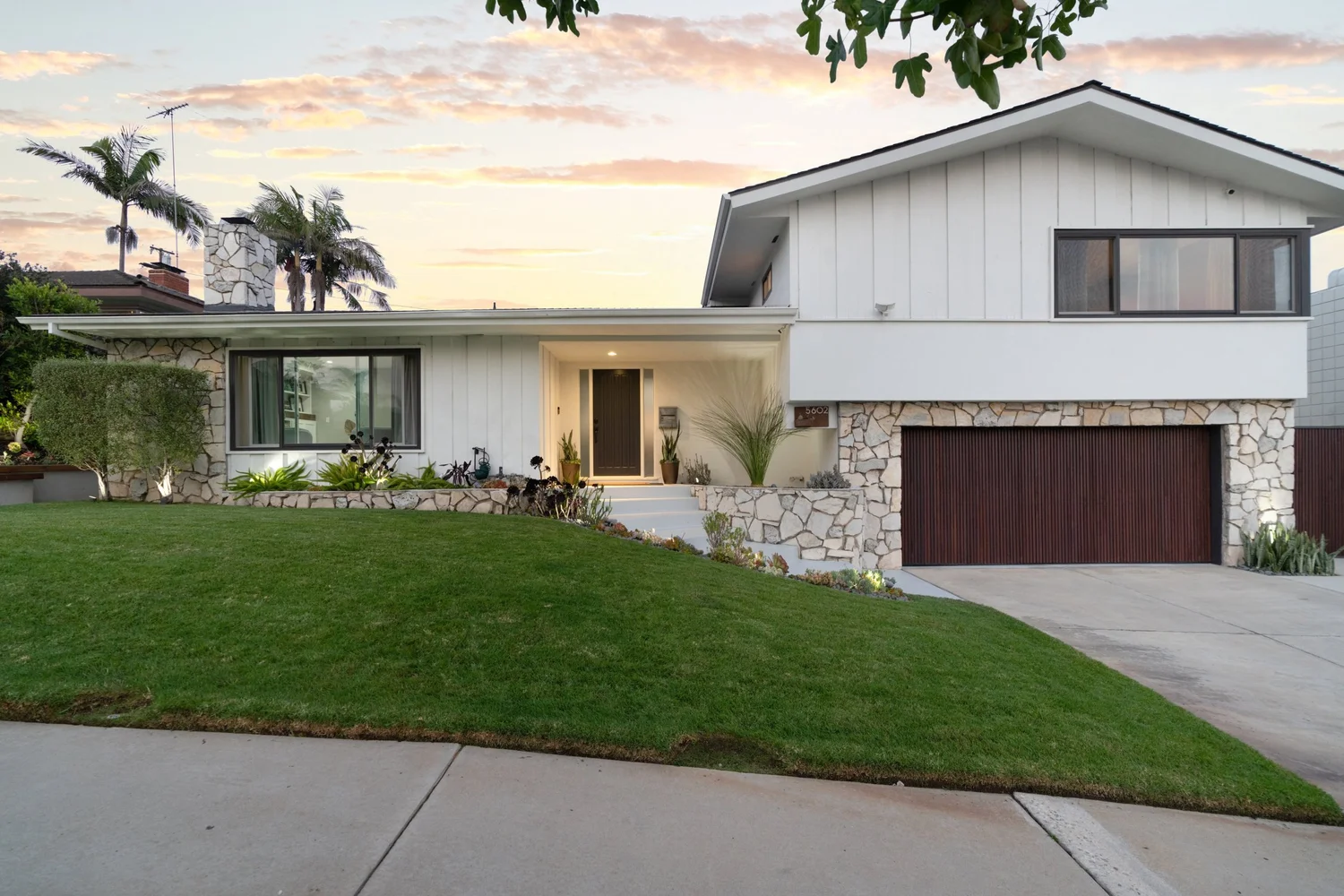
Culver City Homes for Sale
Browse current homes for sale in Culver City, from Fox Hills condominiums to family houses in Carlson Park and hillside properties in Blair Hills and Culver Crest.

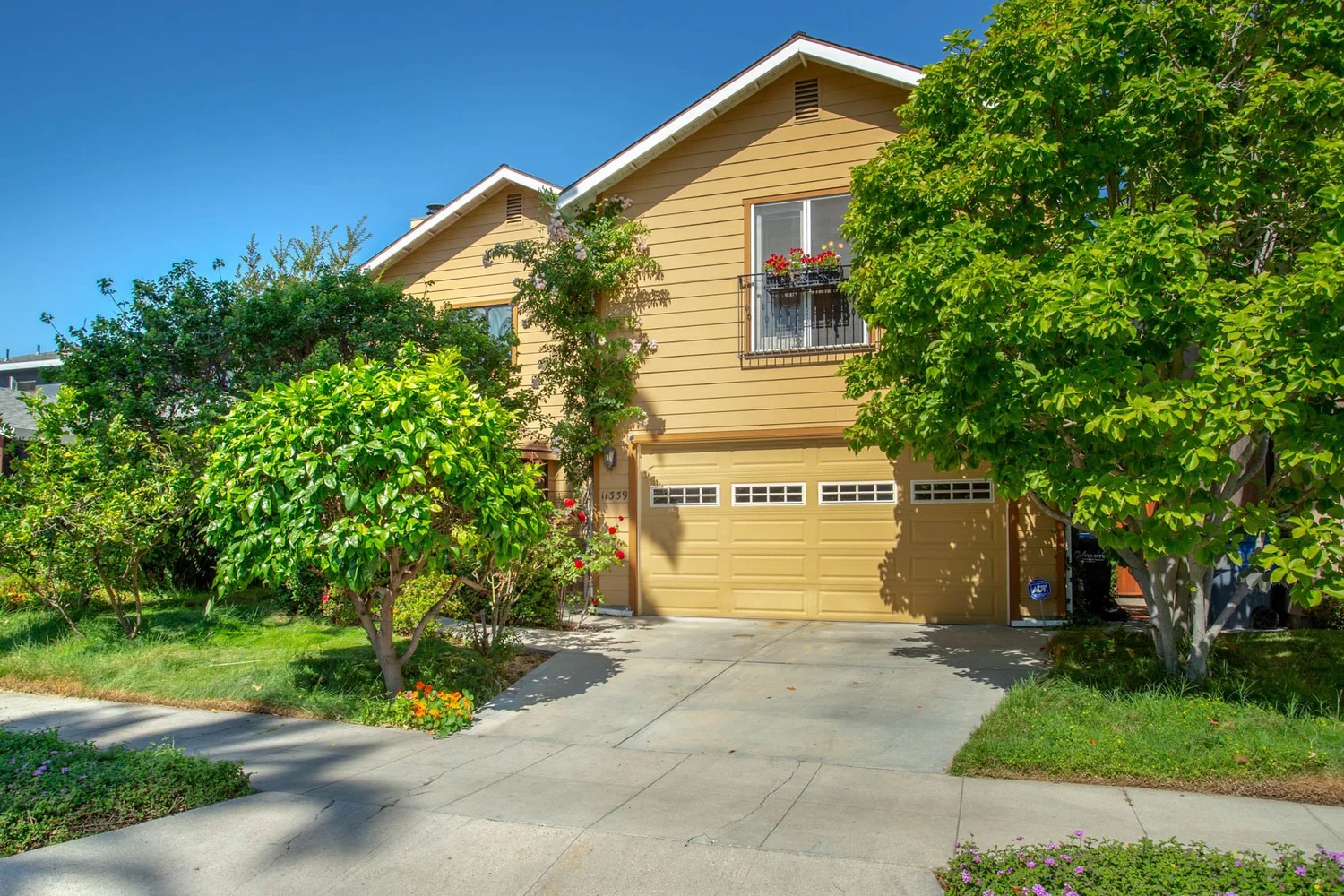
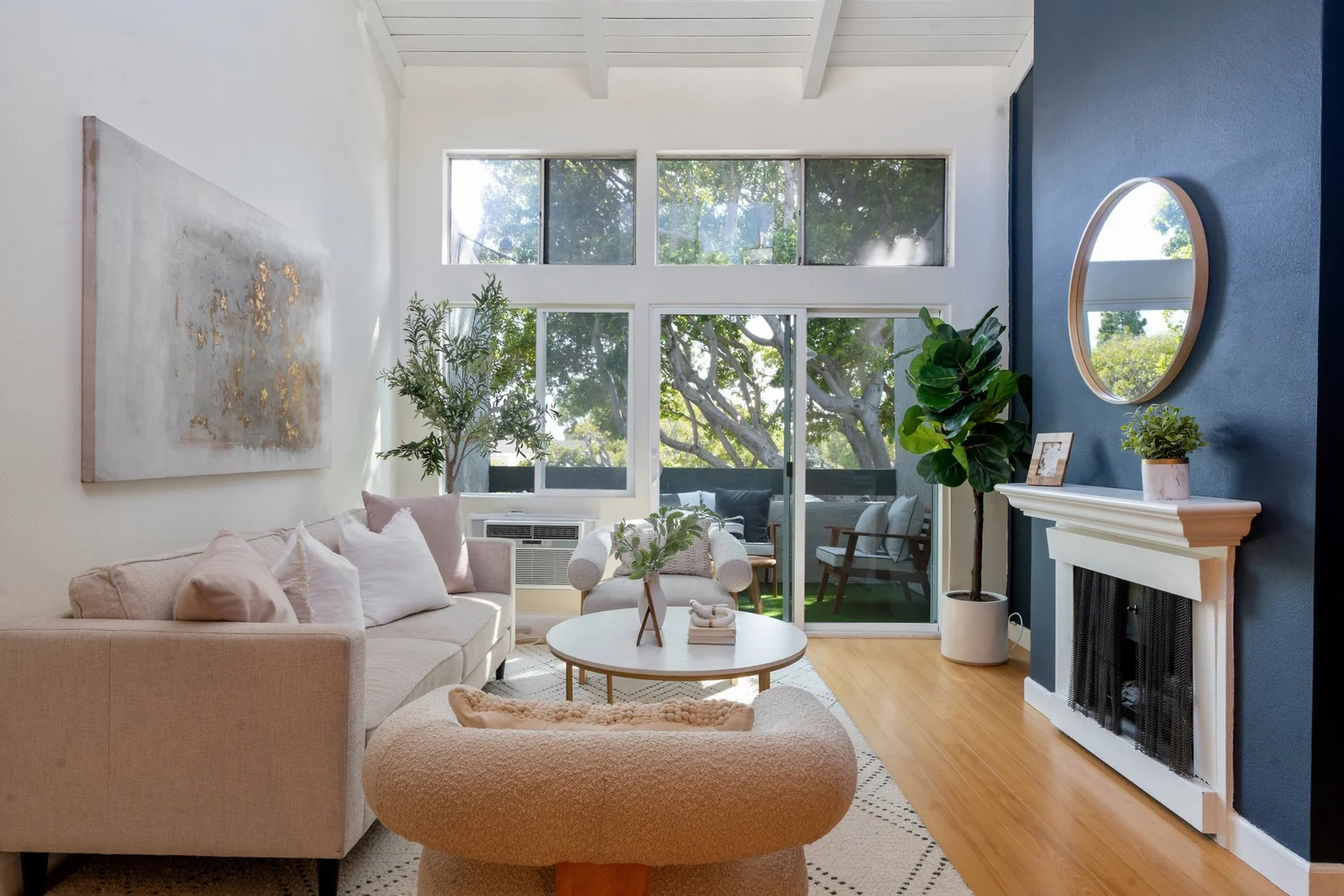
Living in Culver City | Dining, Shopping, and Things to Do
Dining and Downtown
Culver City is the only place in this corridor with a genuine restaurant district inside walking distance of its own housing. Downtown Culver City, centered on Culver Boulevard and Main Street around the Culver Hotel and The Culver Studios, holds a dense cluster of restaurants, bars, coffee and a cinema, and it has been one of the more consistently strong dining destinations on the Westside for the past fifteen years. The Platform development beside Ivy Station adds further restaurants and retail alongside the Metro station, and the Helms Bakery District a short distance northeast combines furniture and design showrooms with a further set of restaurants and a brewery. Because there are literally hundreds of restaurants in Culver City, it's impossible for us to highlight everything. Our list includes examples that are indicative of the kind of variety one finds in Culver City.
Father's Office at 3229 Helms Avenue in the Helms Bakery District. The Michelin-recognized home of the much touted "Office Burger." This casual spot has become a staple, with a huge selection of craft beers on tap, serious cocktails and elevated comfort food. They do not take reservations, so there may be a bit of a wait, but the atmosphere, with its large shared tables and ample bar space, creates a natural environment for socializing and meeting new people.
Destroyer at 3578 Hayden Avenue in the Hayden Tract. A minimalist, Scandinavian cafe open for breakfast and lunch, serving a modern, creative take on the classics in a hip and sophisticated environment.
Simonette Bistro at 3297 Van Buren Place in downtown Culver City. An all-day restaurant and bar that combines the elegance of French cuisine with the cheerful friendliness of an American cafe. The restaurant is designed for Southern California, with a large enclosed outdoor patio encompassing much of the restaurant and bar.
Zaytinya at 8801 Washington Boulevard, on the ground floor of The Shay Hotel. Zaytinya brings the vibrant flavors of Turkey, Greece and Lebanon to life with a menu crafted by the José Andrés Group.
Café Vida at 9755 Culver Boulevard in downtown Culver City. Open daily for breakfast and lunch, Café Vida offers up a one-of-a-kind combination of low-fat California and Latin dishes that bring together a variety of unique and delicious flavors.
Grand Casino at 3826 Main Street in downtown Culver City. This Argentinean cafe has been a staple in the neighborhood since 1987. There is a bakery that produces a dazzling array of Argentine specialty pastries and empanadas, and the restaurant menu is classic Argentine fare like Milanesa and Asado, with homemade chimichurri to accompany everything.
Mayura at 10406 Venice Boulevard. Venice Boulevard between Hughes and Overland is a hub of Indian restaurants and grocery stores, and Mayura is a family-owned favorite specializing in authentic, traditional comforting classics of Kerala and South India.
Hatchet Hall at 12517 Washington Boulevard in the Culver West neighborhood. A lively neighborhood restaurant and bar serving food inspired by Southern cuisine, influenced by the seasons of California.
Ginger's Ice Cream at 12550 Washington Boulevard in Culver West. Ginger's serves up artfully handcrafted, hyper-local ice cream made daily in Culver City.
ChocoVivo at 12469 Washington Boulevard in Culver West. ChocoVivo practices the ancient art of stone grinding cacao nibs from bean to bar. With cacao nibs imported from their partner farm in Mexico, they created the first women's cooperative of cacao farmers in Mexico, and the chocolate products, from the bars to the hot cocoa to the baked goods, are truly out of this world.
Shopping
Westfield Culver City, on the southern edge in Fox Hills, is the area's full-scale shopping center and serves not just Culver City but Ladera Heights, Windsor Hills and much of the surrounding area. Downtown Culver City and the Platform provide independent retail at a smaller scale, and the Helms Bakery District is the design and furniture destination. For groceries there is a full range across the city and along West Centinela Avenue and Jefferson Boulevard. Buyers coming from the Los Angeles neighborhoods east of here consistently note that Culver City is where they were already shopping.
Parks, Trails and Things to Do
Culver City runs its own parks system, and the standout is the eastern edge, where the city meets the Baldwin Hills parklands. The Baldwin Hills Scenic Overlook at 6300 Hetzler Road climbs roughly 400 feet by stairway or ramped trail to a 360-degree view of the basin, with a small discovery center at the top, and it is one of the highest-rated outdoor destinations in Los Angeles. Stoneview Nature Center at 5950 Stoneview Drive adds gardens, native plantings and a trail connection into the 401-acre Kenneth Hahn State Recreation Area next door. Culver City Park sits above the Ballona Creek corridor, and the Ballona Creek bike path runs from the city out to the Pacific at Playa del Rey, forming the western end of the 13-mile Park to Playa Trail.
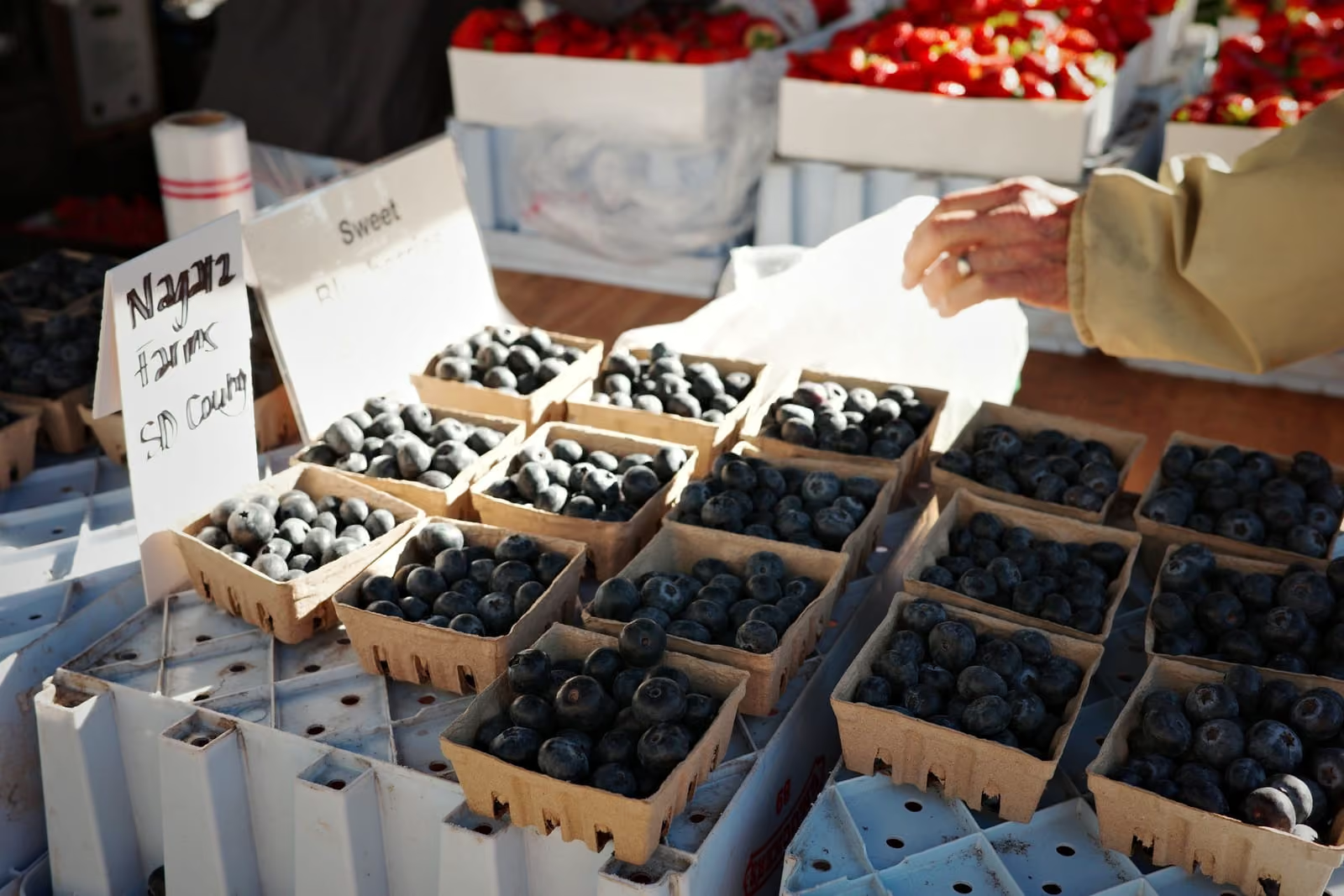
Closer in, the city maintains a full neighborhood parks system, including Carlson Park, Veterans Memorial Park, Lindberg Park, Syd Kronenthal Park where the Ballona Creek bike path begins, Fox Hills Park and Blair Hills Park. The Culver City Municipal Plunge, the city's outdoor pool at Veterans Memorial Park, runs lap swim, lessons and aquatics classes year round. The Kirk Douglas Theatre on Washington Boulevard, in downtown Culver City, is Center Theatre Group's Culver City stage and programs a season of new plays. The Culver City Farmers Market runs downtown, the Wende Museum holds a collection of Cold War era art and artifacts, and the studio history is visible throughout, from the Culver Hotel to the Culver Studios gates. Downtown Culver City also programs regular public events and screenings through the year.



Culver City Schools
Culver City has its own school district, and for many buyers this is the reason they are looking here rather than in the Los Angeles neighborhoods immediately east. Culver City Unified School District is entirely separate from the Los Angeles Unified School District, with its own boundaries, its own enrollment process and its own performance record.
School assignments, programs, boundaries and ratings are set by the Culver City Unified School District and third-party rating providers and are subject to change. Buyers should verify current enrollment, attendance areas and school-choice rules with the district before relying on school assignments in a real estate decision.

Culver City Unified serves roughly 6,500 students, with district offices at 4034 Irving Place. It operates five elementary schools, Culver City Middle School and Culver City High School at 4401 Elenda Street, alongside a continuation high school, an independent study program, an adult school and a preschool. The high school enrolls around 2,000 students. Recent state testing puts district proficiency at roughly 54 percent in math and 65 percent in reading, against Los Angeles Unified figures nearer 33 percent and 40 percent. Third-party ratings are solid rather than exceptional, with the district averaging in the middle of the ten-point scales and Culver City High rating highest among its schools, and one rating provider notes a mixed record on year-over-year student growth. The district is also notably diverse, with no single group forming a majority of the student body.
Culver City Unified runs dual-language immersion at two elementary schools: El Marino Language School, which offers both Spanish and Japanese, and La Ballona Elementary, which offers Spanish. Neither is a neighborhood school. Both admit by district-wide lottery, and because the dual-language model depends on enrolling students who already speak the target language, district policy reserves a share of each class for target-language speakers and admits non-residents on interdistrict permits where space allows. Two things follow for a buyer. Buying in Culver City improves priority in the lottery but does not guarantee a place, and a family that already speaks Spanish or Japanese may be able to enroll on a permit without moving into the district at all. Families interested in either program should confirm the current lottery timeline, the priority order and the permit process with the district directly. Attendance areas, transfer policy and program availability all change, so verify for a specific address before relying on any assignment.
Culver City at a Glance
Jurisdiction
Incorporated city in Los Angeles County. Own city council, police and fire departments, permitting, zoning and tenant protections. Enclosed by the City of Los Angeles
School District
Culver City Unified School District, entirely separate from LAUSD. See the schools section
ZIP Codes
90230 and 90232
Population
Approximately 41,000 (2020 Census: 40,779)
Land Area
Approximately 5 square miles
Founded
By Harry Culver, and a film production center for more than a century
Housing Stock
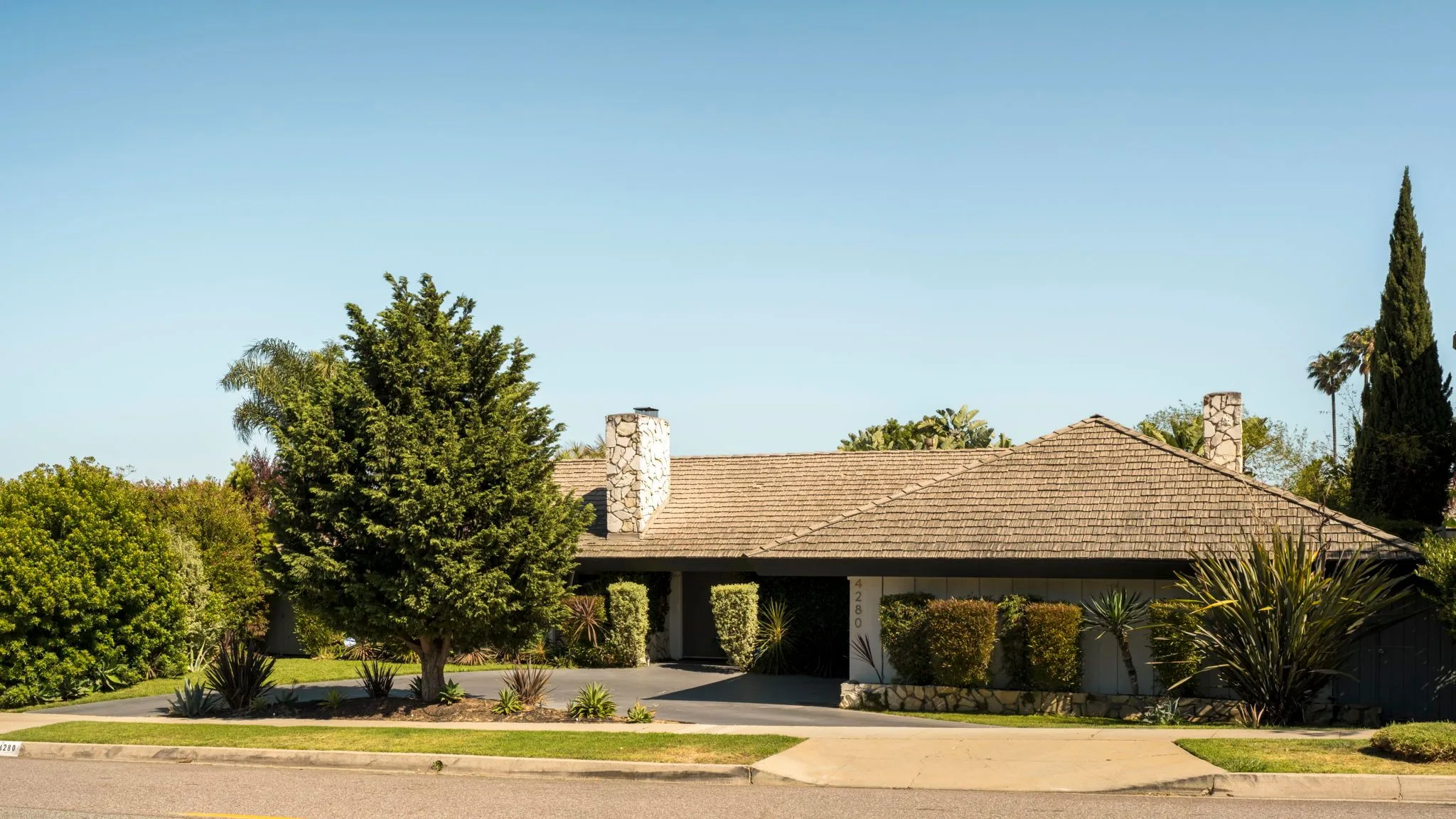
Predominantly postwar single-family across the residential neighborhoods, much of it built from the 1940s onward for returning veterans and modest in scale rather than architecturally notable, plus a substantial condominium market in Fox Hills and the Jefferson Boulevard complexes, newer transit-oriented condominiums and apartments downtown, and a significant volume of contemporary new construction. Culver City is also a highly desired destination for developers, and much of the old housing stock throughout the city is being razed and rebuilt. Modern, contemporary architectural homes are the most sought-after style of new home
Single-Family Price Range
Recent medians roughly $1.4 million to $1.7 million, with average price per square foot near $1,090. The highest in this corridor
Condominium Price Range
Fox Hills medians recently near $590,000, with a citywide condominium median in the low $600,000s
Days on Market
Approximately 39 to 45 days citywide, with the most competitive pockets moving considerably faster
Transit
Metro E Line at Culver City station beside Ivy Station, direct to Santa Monica and downtown Los Angeles, connecting to the K Line toward LAX at Expo/Crenshaw. Interstate 10 and Interstate 405 both adjacent
Open Space
Baldwin Hills Scenic Overlook, Stoneview Nature Center, Culver City Park, Carlson Park, Veterans Memorial Park, Lindberg Park, Syd Kronenthal Park, Fox Hills Park, Blair Hills Park, the Ballona Creek bike path and the western end of the 13-mile Park to Playa Trail
Note on Market Data
Sub-neighborhood figures are volatile on small samples. No year-over-year percentages are published on this page.
Sources
Sources: U.S. Census Bureau (2020 Decennial Census); City of Culver City; Culver City Unified School District; California Department of Education; Los Angeles County Metropolitan Transportation Authority; California State Parks and Los Angeles County Parks; MLS market data via Redfin, Zillow and local analysis. Figures should be reviewed at least annually and price figures quarterly.
Map of Culver City
Neighborhood
Culver City
City
Culver City
ZIP
90230
Map center
34.0210, -118.3960
Frequently Asked Questions About Culver City Real Estate
No. Culver City is a separate incorporated city in Los Angeles County, with its own city council, police and fire departments, permitting and zoning, and its own tenant protections. It is enclosed by the City of Los Angeles on nearly every side and bordered on the east by unincorporated county communities including Ladera Heights, which is why it reads like a neighborhood on a map. For a homeowner the distinction is practical: a building permit, a code question or a police call goes to Culver City rather than to Los Angeles, and the property sits in the Culver City Unified School District rather than LAUSD.
Culver City Unified School District serves the whole city and is entirely separate from the Los Angeles Unified School District. It runs five elementary schools, Culver City Middle School and Culver City High School, plus a continuation high school, independent study, an adult school and a preschool, serving around 6,500 students. Recent state testing puts district proficiency near 54 percent in math and 65 percent in reading, against Los Angeles Unified figures nearer 33 percent and 40 percent. Third-party ratings place the district solidly rather than exceptionally. Confirm the assigned schools for any specific address with the district.
Culver City is the most expensive market in this part of Los Angeles County. Recent single-family medians have run roughly $1.4 million to $1.7 million depending on the measure, with average price per square foot near $1,090, a premium of several hundred dollars per square foot over Ladera Heights and Baldwin Hills. Homes have been selling in roughly 39 to 45 days. The condominium market is a separate story: Fox Hills medians have recently run near $590,000, and the guard-gated complexes along Jefferson Boulevard, Raintree, Lakeside Village and Tara Hills, offer another set of less expensive options. Because samples in individual neighborhoods are small, published growth rates for Culver City swing wildly and should not be treated as trends.
Fox Hills, on the southern edge of the city beside Westfield Culver City, is where the entry price sits. Recent medians there have run near $590,000, a fraction of the citywide single-family median, and much of the inventory is in established condominium complexes. Buyers get Culver City Unified schools, Culver City municipal services and the city's transit and shopping access without a seven-figure entry price. The complexes along Jefferson Boulevard, Raintree, Tara Hills and Lakeside Village, are a little more expensive than Fox Hills but they are also much nicer, guard-gated with lush, expansive grounds, and they are still far less expensive than a single-family home. The trade-offs are the usual condominium ones: read HOA budgets, reserves, rules and parking allocation carefully, and understand that older complexes and newer mixed-use buildings differ substantially.
Carlson Park, with its tree-lined streets and walkability to downtown, is typically the most coveted and the most expensive neighborhood. Sunkist Park, Studio Village, Culver West, Park East and the Lucerne and Higuera areas offer single-family living as well. Fox Hills and the condominium complexes along Jefferson Boulevard, including Raintree, Lakeside Village and Tara Hills, work for families who want the district at a lower entry price. Families interested in dual-language immersion should look at El Marino Language School, which runs Spanish and Japanese, and La Ballona Elementary, which runs Spanish. Both admit by district-wide lottery rather than by address, so ask about the timeline and the priority order early.
It is possible, but still difficult, and buyers should go in with realistic expectations. The Metro E Line stops at Culver City station beside Ivy Station, running direct to Santa Monica in one direction and downtown Los Angeles in the other, and connecting to the K Line toward LAX at Expo/Crenshaw, and downtown Culver City is a genuinely walkable core with restaurants, bars and a cinema. That said, there are actually more bus and train options outside Culver City than within it, so most residents still rely on a car for daily life, and whether it works without one depends heavily on the address and the commute.
It costs more than Baldwin Hills and Baldwin Vista, about the same as Ladera Heights, and it comes with a different school district. Culver City single-family medians of roughly $1.4 million to $1.7 million overlap with Ladera Heights, which has been running around $1.6 million to $1.8 million on much thinner inventory, and sit well above Baldwin Hills near $1.05 million to $1.25 million. What the premium buys is a separate municipality, Culver City Unified rather than LAUSD or Inglewood Unified, a walkable downtown and direct rail. What it costs is space and views: Baldwin Hills, Baldwin Vista and View Park all offer larger lots and hillside panoramas for less money. Buyers prioritizing schools and walkability tend west; buyers prioritizing house and view tend east.
Most Culver City agents work Culver City. Erica Lockhart and Lorin Ruttenberg work the whole corridor, covering Culver City alongside Baldwin Hills, Baldwin Vista, View Park, Windsor Hills, Ladera Heights, Leimert Park and West Adams, which means they can tell a buyer honestly when the city line is worth crossing in either direction. Between them the team brings more than 40 years of combined experience and more than 1,000 closed transactions, and it ranks in the top 1.5 percent of agent teams by volume in the United States in the Wall Street Journal REAL Trends rankings. Affiliated with Compass, they work as advocates rather than salespeople, which here means being straight about whether the Culver City premium is worth it in your particular situation, whether the draw is the schools, the walk to downtown or the commute to the studios.
More Neighborhood Guides
All neighborhoods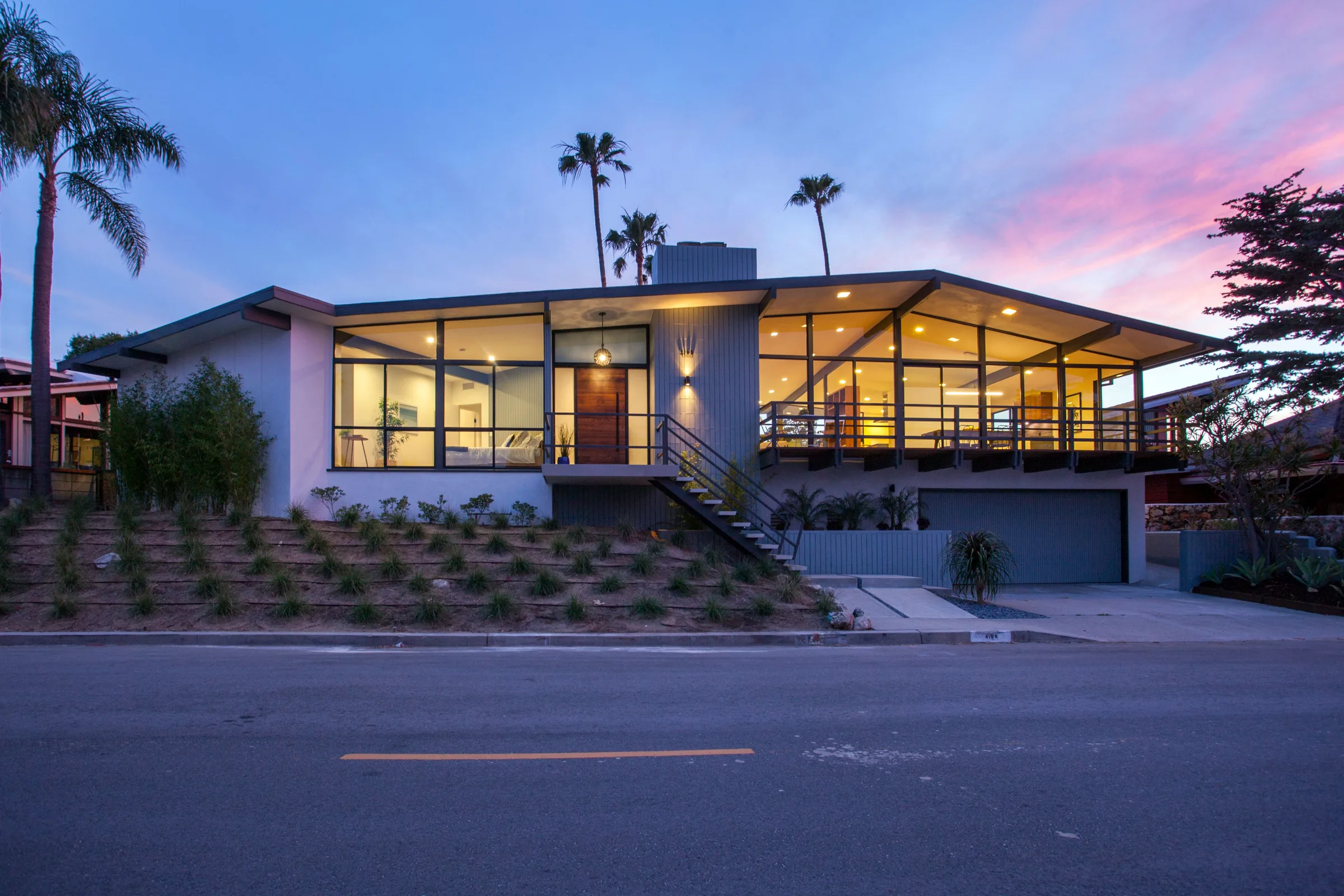

Find Your Home in Culver City
Ahead of the Curve Homes helps buyers and sellers across Culver City, from Fox Hills condominiums to family houses in Carlson Park and hillside homes in Blair Hills. Erica Lockhart and Lorin Ruttenberg also work the Los Angeles neighborhoods to the east, so they can compare them honestly. To talk through a purchase, a sale, or what your home is worth now, call 424-354-4224 or email team@aotchomes.com.
Contact Ahead of the Curve Homes
Call
424-354-4224Office
9454 Wilshire Blvd, 4th Floor, Beverly Hills
Hours
Mon to Fri 9 to 6 · Sun 11 to 5 · Sat closed