

Leimert Park and Crenshaw Manor
Olmsted-planned streets, 1920s Spanish homes and a Metro station.
Leimert Park and Crenshaw Manor Real Estate | Two Sides of One Junction
Leimert Park is a residential neighborhood in the South region of the City of Los Angeles, laid out in 1927 and 1928 as one of the first comprehensively planned communities in Southern California. Developer Walter H. Leimert bought roughly 230 acres from Clara Baldwin Stocker, daughter of Elias "Lucky" Baldwin, and commissioned a master plan from Franz Herding working with the Olmsted Brothers. That plan still reads on the ground a century later: a small-scale grid crossed by broad boulevards, vistas that terminate on buildings, and Leimert Plaza Park at the center, where Crenshaw, Degnan and Leimert Boulevards converge. The park is Los Angeles Historic-Cultural Monument No. 620. The neighborhood covers roughly 1.2 square miles in ZIP code 90008, bounded by Crenshaw Boulevard on the west and Vernon Avenue on the south, east of Baldwin Hills and northeast of View Park. This page also covers Crenshaw Manor, the smaller neighborhood immediately across Crenshaw Boulevard, which Los Angeles City Council formally named and bounded in 2001 and which shares the Martin Luther King Jr. Boulevard junction and the Metro station with Leimert Park.
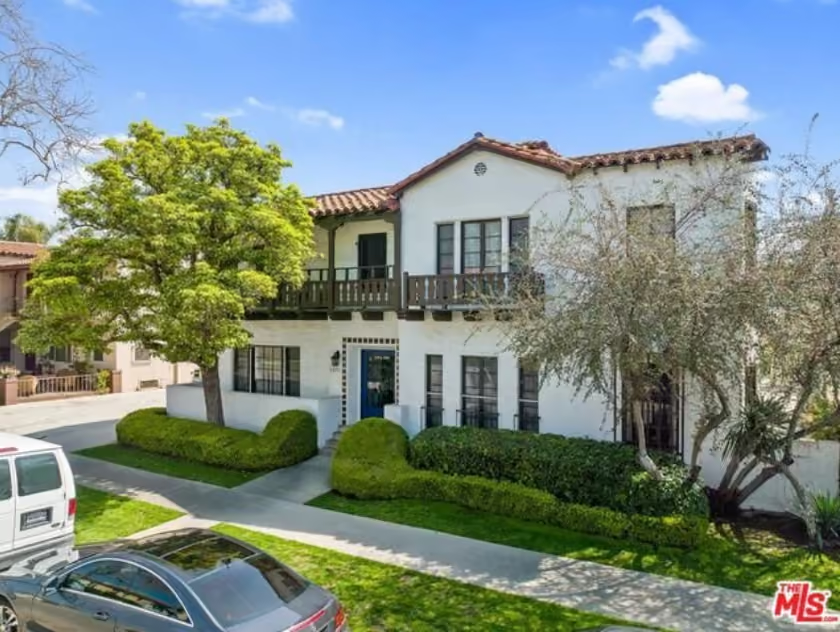
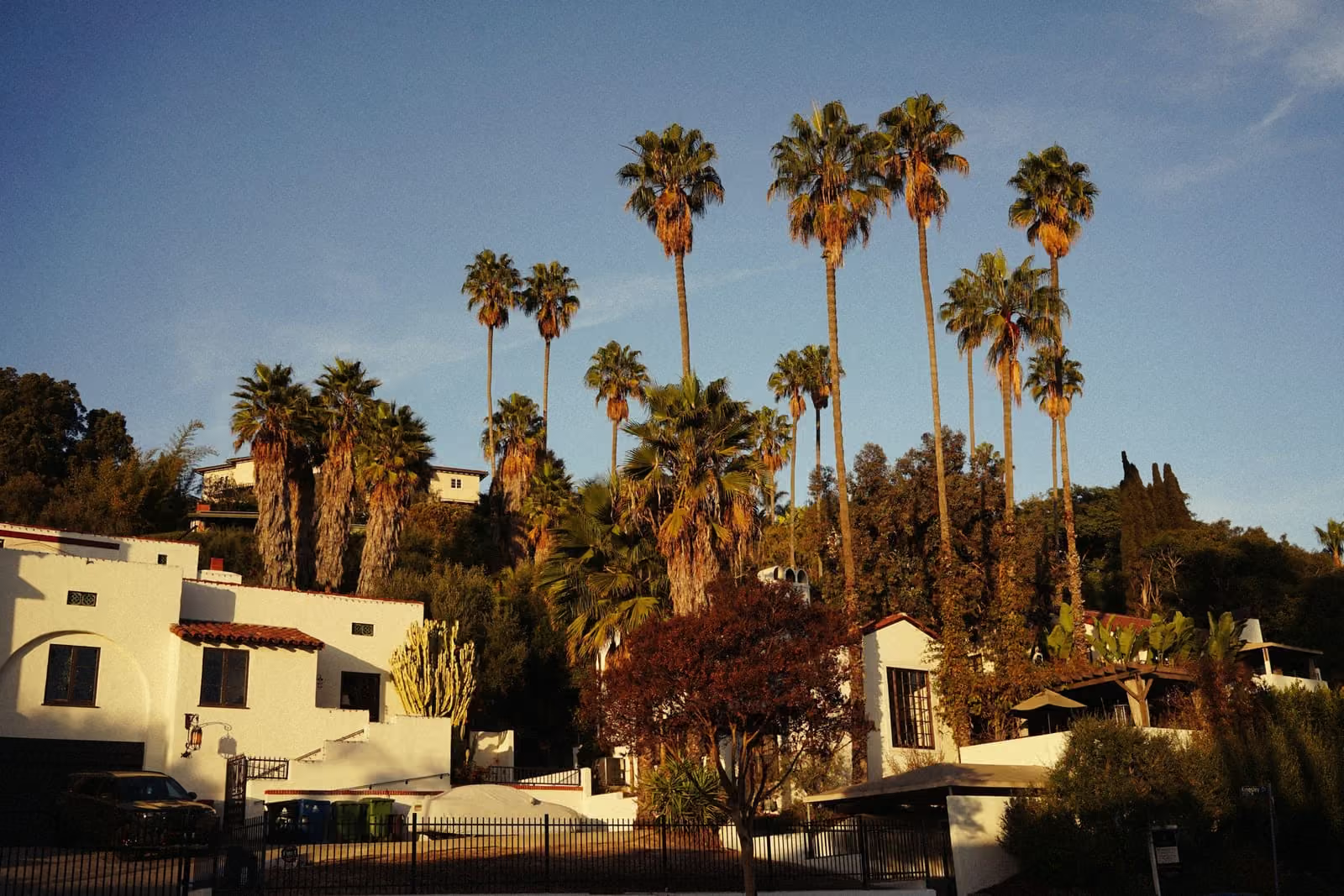
The Leimert Park real estate market is the most attainable of the three historic neighborhoods in this corridor. The median sale price was approximately $1.3 million as of August 2026, with homes on the residential streets generally selling between $1.1 million and $1.5 million, taking somewhere between 54 and 65 days to sell, and roughly 20 changing hands in a typical month. That puts it below both View Park and Baldwin Hills, for a straightforward reason: these are flat lots on a grid rather than hillside parcels with views. What buyers get instead is architectural consistency, with most housing dating from the late 1920s through the 1940s and one of the densest concentrations of intact Spanish Colonial Revival housing in Los Angeles.
What sets Leimert Park apart is that it was designed as a whole, still works as one, and became the center of African American art and culture in Los Angeles. The Village on Degnan Boulevard has anchored that role since the late 1960s, and in 2025 the state designated Historic South Los Angeles as California's first Black Cultural District, with Leimert Park named among its principal anchors. Streets are walkable, the commercial core sits inside the neighborhood rather than on an arterial edge, and the Metro K Line has an underground station at Leimert Park that opened in 2022, which is unusual for a low-rise residential district. Two things buyers should understand. First, the housing stock is close to a century old, so sewer laterals, foundations, knob-and-tube wiring and original plumbing are normal findings. Second, several headline projects are still in progress: the Vision Theatre has been under restoration since 2011 and is not yet open, and Destination Crenshaw remains under construction. There is real energy here and real uncertainty, and an honest agent will tell you both.
Leimert Park is one of the three neighborhoods Erica Lockhart and Lorin Ruttenberg of Ahead of the Curve Homes know best, alongside Baldwin Hills and View Park, and they are longtime residents of this part of Los Angeles. Between them the team brings more than 40 years of combined experience and more than 1,000 closed transactions, and it ranks in the top 1.5 percent of agent teams by volume in the United States in the Wall Street Journal REAL Trends rankings. Affiliated with Compass, they describe themselves as advocates rather than salespeople, which in Leimert Park means being straight about what a 1929 Spanish house will actually need, and about what is and is not open in the Village this month.
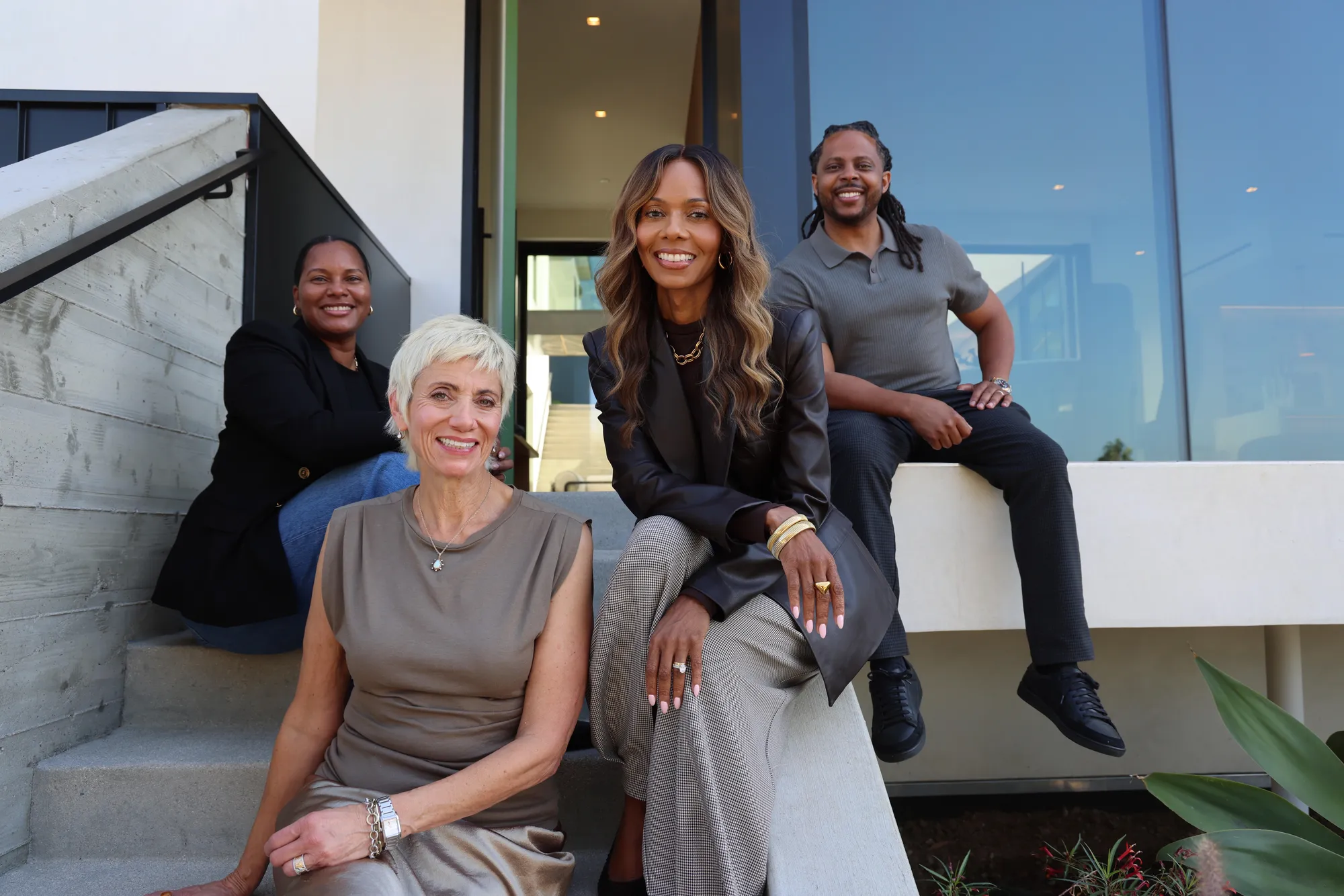
Your neighborhood team
Erica Lockhart and Lorin Ruttenberg
Longtime residents of this part of Los Angeles, with more than 1,000 closed transactions between them.
What to Love About Leimert Park and Crenshaw Manor
An Olmsted-Planned Neighborhood
Leimert Park was laid out in 1927 and 1928 by Walter H. Leimert with a master plan by Franz Herding and the Olmsted Brothers, one of the first comprehensively planned communities in Southern California. Public improvements came first rather than last, and it still reads as a designed whole.
Spanish Revival Consistency
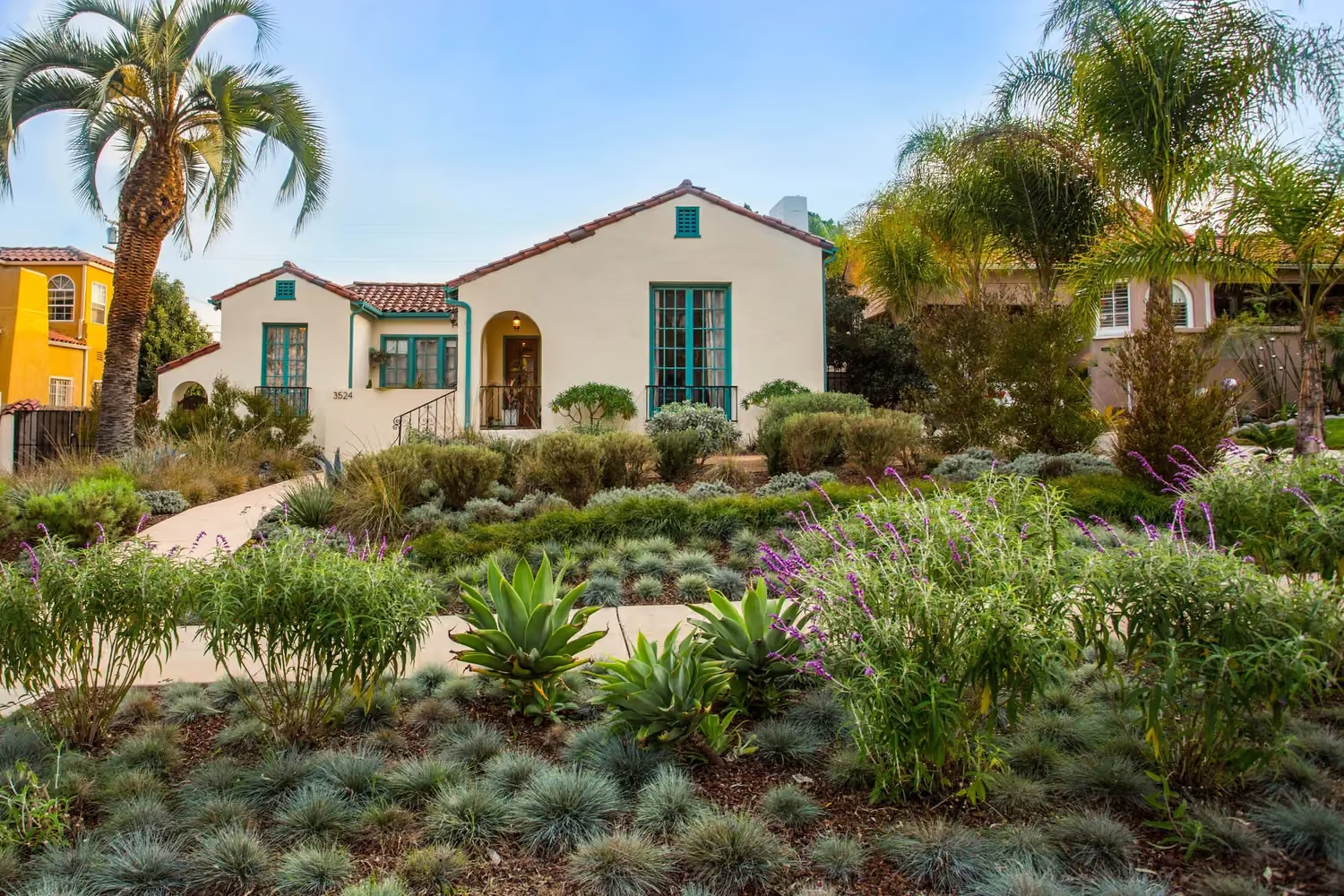
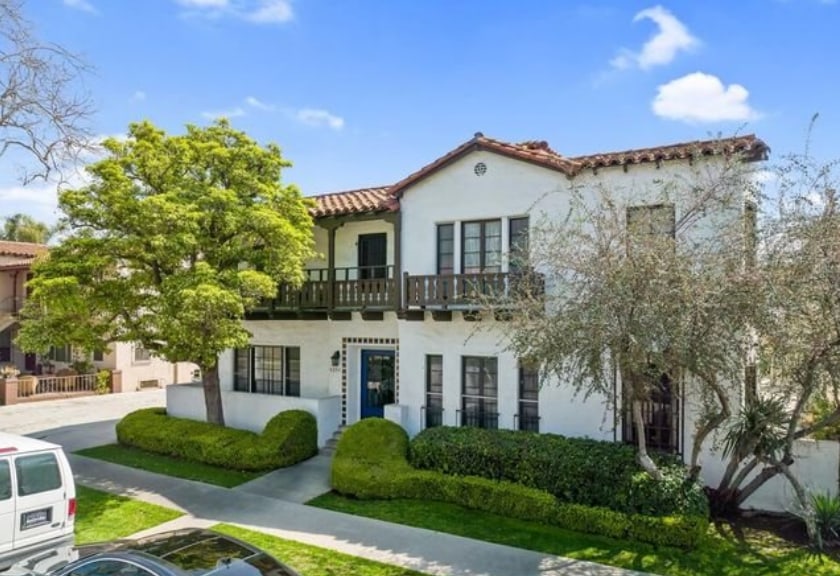
Built mostly between the late 1920s and the 1940s, Leimert Park holds one of the densest concentrations of intact Spanish Colonial Revival housing in Los Angeles: stucco walls, red clay tile roofs, arched entries and wrought iron, with Mediterranean Revival and Traditional houses alongside.
Historic Leimert Park Village
Leimert Park is the center of African American art and culture in Los Angeles. The Los Angeles City Council formally designated Historic Leimert Park Village in 2018, and in 2025 the state named Historic South Los Angeles as California's first Black Cultural District with Leimert Park among its principal anchors. Every business in the Village is independently owned, and it sits inside the neighborhood rather than out on an arterial.
A Rail Station in the Neighborhood
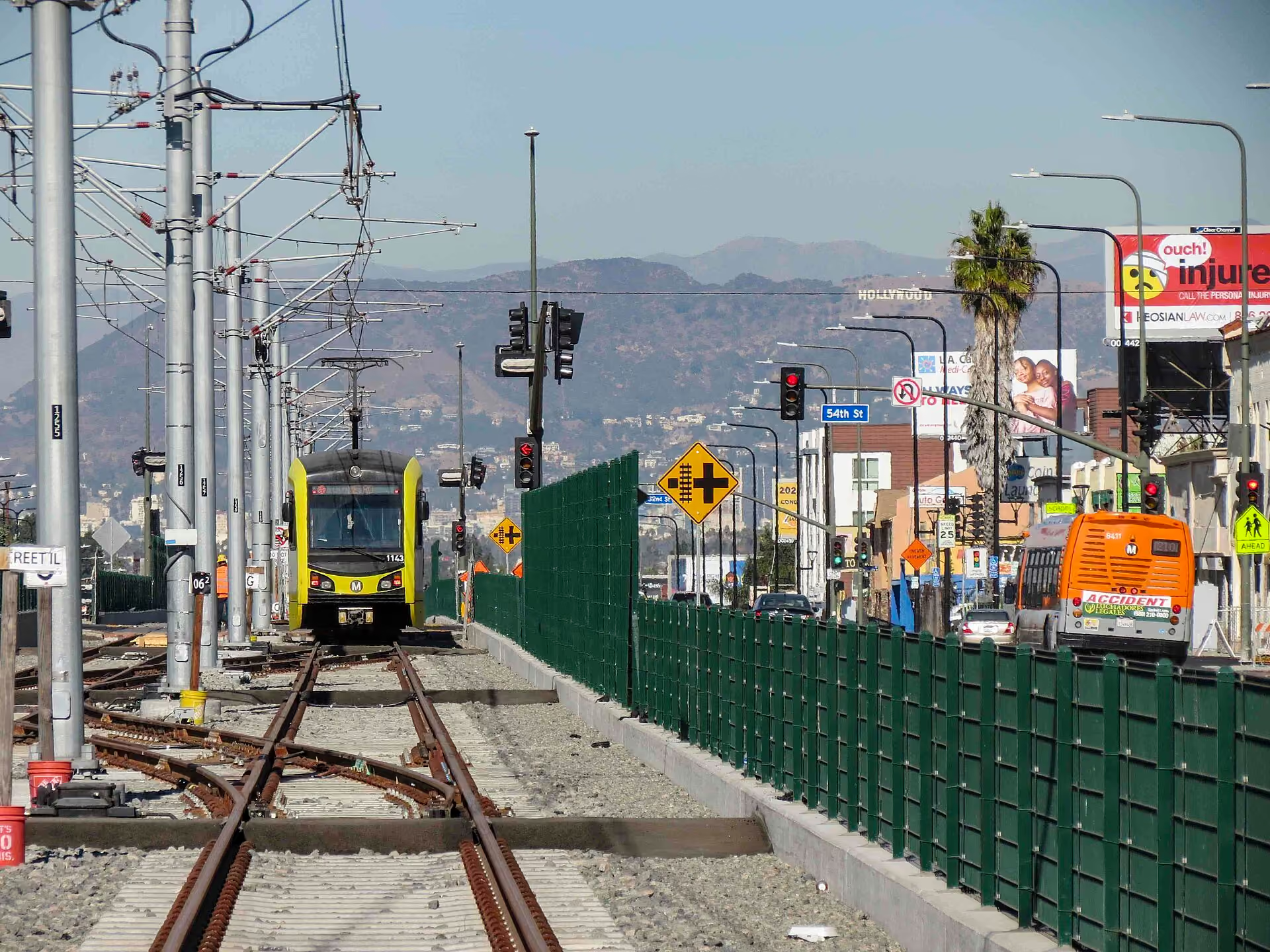
The Metro K Line stops underground at Leimert Park station, which opened in 2022, a direct ride from the LAX Metro Transit Center to the south and a transfer from downtown and Santa Monica to the north. An underground station inside a low-rise residential district is rare in Los Angeles.
Leimert Plaza Park at the Center
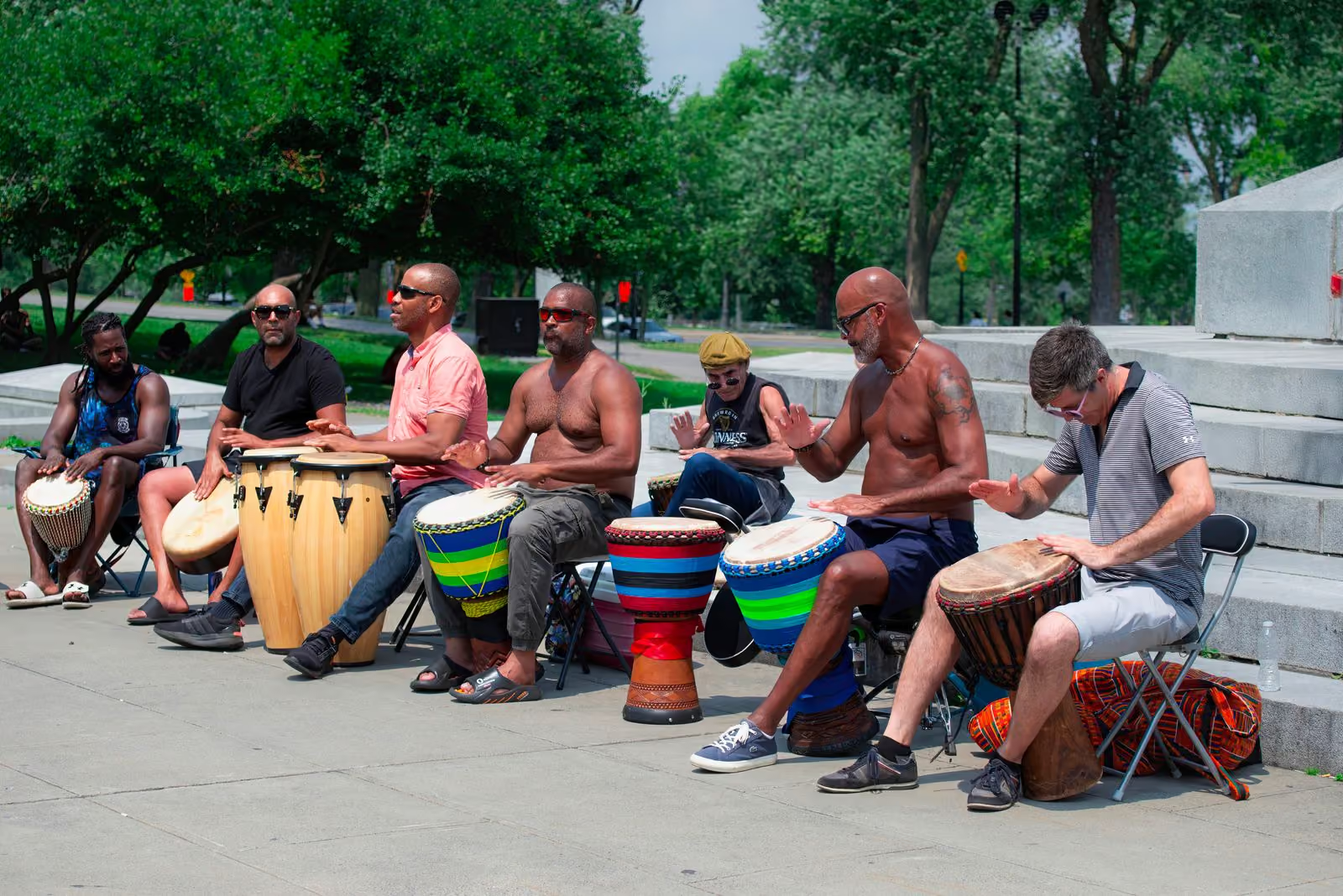
Leimert Plaza Park at 4395 Leimert Boulevard is the Olmsted-designed plaza the whole plan was built around, a one-acre green with a Mediterranean Revival fountain where Crenshaw, Degnan and Leimert Boulevards meet. It is Los Angeles Historic-Cultural Monument No. 620, and the drum circles that fill the plaza on Sundays are one of the best-known standing gatherings in Los Angeles.
More Attainable Than the Hills
At a median of approximately $1.3 million, Leimert Park is the most attainable of the three historic neighborhoods in this corridor, below both View Park and Baldwin Hills. Buyers trade hillside views for flat, walkable streets and period architecture.
Leimert Park Neighborhoods | A Buyer's Guide
Leimert Park is more uniform than its neighbors, which is a consequence of being planned and built out by one developer in about fifteen years. There are no hillside enclaves here and no dramatic price cliffs between streets. What varies is proximity to the Village and Leimert Plaza, block-by-block condition, and how much original detail a house has kept. Residents do not divide the neighborhood into named sub-areas beyond the Village and the plaza, so the groupings below are deliberately few, and the ranges reflect typical recent sales. Crenshaw Manor, covered here as part of the same area, is the one exception: its boundaries are formally designated.
Historic Leimert Park Village
The Village is the commercial and cultural core, formally designated by the Los Angeles City Council in 2018 and concentrated on Degnan Boulevard and 43rd Place between Crenshaw Boulevard, Leimert Boulevard, 43rd Street and Vernon Avenue. It is not primarily a residential market. What distinguishes it from any comparable district in Los Angeles is that every business in it is independently owned. There are no chain stores. The roster includes ORA and Harun Coffee, All Chill for ice cream, Ackee Bamboo for Jamaican food, Sole Folks, Queen Aminah's Clothing and Sisters Marketplace, Nappily Naturals and Apothecary, Neighbors Skate Shop, Ride On Bike Co-Op, Sika by Queen Midas Gold and Aziz Gallerie. What matters for buyers is proximity: houses within a few blocks of the Village trade on walkability to the shops, galleries and performance spaces. A brick gateway marker was installed in 2005 and the city has directed ceremonial signage at the designated intersections.
The Leimert Plaza Blocks
The streets immediately around Leimert Plaza Park hold the neighborhood's most architecturally significant houses and its shortest walk to both the park and the Village. This is where the Olmsted plan is most legible, with the converging boulevards, the terminating vistas and the original street trees largely intact. Houses here are predominantly Spanish Colonial Revival and Mediterranean Revival from the late 1920s and 1930s, generally two and three bedrooms on regular lots. Homes in this pocket generally range from about $1.1 million to $1.6 million depending on condition and how much original fabric survives.
The Residential Streets
Away from the plaza, the residential streets are where most Leimert Park transactions happen, and they are remarkably consistent. Housing is 1920s and 1930s Spanish Colonial Revival, Mediterranean Revival and Traditional, with some Craftsman and a scattering of 1940s infill, on regular lot sizes with mature street trees. What moves value is condition, how much original fabric survives and lot size: properties north of Martin Luther King Jr. Boulevard have larger lots and typically trade for more. Duplexes and small apartment buildings appear toward the southern edge of the neighborhood rather than through the single-family blocks. Homes here generally range from about $1.1 million to $1.5 million.
The Crenshaw Boulevard Edge
Crenshaw Boulevard forms the western boundary and is the neighborhood's front door to the wider city. The Metro K Line runs along it with the underground Leimert Park station, and Destination Crenshaw, a 1.3-mile public art and open space corridor running south from Vernon Avenue, is being built along it. Sankofa Park, the project's flagship at Crenshaw and Leimert Boulevards, has been under construction since 2020 and is currently projected to open in late 2026. Housing on Crenshaw skews toward multi-family and mixed-use rentals.
Crenshaw Manor
Crenshaw Manor sits across Crenshaw Boulevard, sharing the Martin Luther King Jr. Boulevard junction with Leimert Park, and it is one of the few neighborhoods in this part of Los Angeles with boundaries a buyer can look up in a public record: City Council formally named and bounded it in October 2001 under Council File 01-1874, and a neighborhood sign stands at Crenshaw and Obama Boulevards. It was developed from the early 1940s to house wartime defense workers, which produced a coherent tract of single-story houses and bungalows on a flat grid, generally two and three bedrooms with detached garages and mature street trees. The pocket also holds a set of 1930s Spanish Colonial Revival houses that predate the defense-worker tract, concentrated on Wellington Road and Virginia Road, and they are among the best architecture on this side of Crenshaw Boulevard. Condition varies far more than location here, so original houses and full renovations sit on the same block at very different prices. The Metro E Line runs along the neighborhood's northern edge, stopping at Exposition and Crenshaw Boulevards, just north of Obama Boulevard, where it meets the K Line.
Adjacent Areas Buyers Often Compare
Three neighbors come up in most Leimert Park searches. Baldwin Hills, west across Crenshaw Boulevard, offers mid-century hillside homes with views at a higher median. View Park, southwest, is unincorporated Los Angeles County with a National Register district of 1920s and 1930s Period Revival architecture and the highest median of the three. Jefferson Park and West Adams, north, offer comparable 1910s and 1920s housing stock with their own historic district protections.



Leimert Park Homes for Sale
Browse current homes for sale in Leimert Park, from 1920s Spanish Revival houses near Leimert Plaza to Traditional homes on the surrounding residential streets.


Living in Leimert Park | Dining, Shopping, and Things to Do
Dining
Leimert Park dining is concentrated in the Village on Degnan Boulevard, with more along the Crenshaw Boulevard edge. Most of it is independent cafes and counters rather than destination dining rooms, and the Village also has a vibrant street-food scene, with vendors setting up around the plaza on weekends.
ORA at 4331 Degnan Boulevard is the Village daytime anchor, a cafe and co-working room known for its creamy grits with salmon and skylit seating nooks. Open from 8 AM daily.
Harun Coffee at 4336 Degnan Boulevard is the neighborhood coffee house, known for its chai, nitro cold brew and biscuits, with a back room used for working and events. Open 7 AM to 7 PM daily.
Sole Folks at 4317 Degnan Boulevard is a designer collective and retail space that also runs a small vegan kitchen, and it doubles as an events and live music room. Open Wednesday through Sunday.
Dulan's on Crenshaw at 4859 Crenshaw Boulevard is the soul food institution this corridor has been built around for decades, and the family also runs the DulanVILLE food truck. Closed Mondays.
Ackee Bamboo at 4305 Degnan Boulevard has been serving Jamaican food in the Village for close to twenty years, known for its jerk chicken and beef patties, with vegetarian versions of most dishes.
All Chill at 3415 West 43rd Place is an artisanal ice cream shop that doubles as a hip-hop memorabilia collection, with non-dairy flavors alongside the rest.
The Village dining roster changes more often than any aggregator keeps up with. Ask us what is open this month.
Shopping
Degnan Boulevard is the neighborhood's independent retail street, and every business on it is individually owned. There are no chain stores anywhere in the Village. Sole Folks at 4317 Degnan Boulevard is an apparel and lifestyle store carrying limited runs from Black designers, with a juice bar inside. Queen Aminah's Clothing and Sisters Marketplace at 4339 Degnan Boulevard carries African wear, accessories, art and sculpture. Nappily Naturals and Apothecary at 4342 Degnan Boulevard is an organic wellness shop that custom-blends teas, oils and tinctures. Neighbors Skate Shop at 4344 Degnan Boulevard sells skate apparel and keeps a ramp out front. Ride On Bike Co-Op at 4319 Degnan Boulevard handles sales, fitting and repair and runs regular group rides. Sika by Queen Midas Gold at 4325 Degnan Boulevard continues the jewelry practice founded by Sika Dwimfo in 1992, now run by his daughter Milan Dwimfo. Aziz Gallerie at 3343 West 43rd Street is one of the few fine art galleries in South Los Angeles, curated by the Senegalese artist Aziz Diagne. The Leimert Park Village Plaza at 4337 Degnan Boulevard is a People St pedestrian plaza used for markets and gatherings, and a vendor market sets up there on many weekends. Crenshaw Square, on Crenshaw Boulevard, is a 1950s shopping center designed with Japanese architectural detailing, a reminder that this area had a substantial Japanese American community mid-century. For full-scale groceries and department stores, Culver City is a short drive west.
For groceries, an Albertsons sits right on Crenshaw Boulevard in Leimert Park, at Martin Luther King Jr. Boulevard. Ralphs and Superior Grocers in Baldwin Hills are within about 2 miles, and the Whole Foods Market at the edge of Baldwin Hills and West Adams is about 3 miles from Leimert Park and Crenshaw Manor.
A History Worth Knowing
Both halves of this area carry history that is well documented and little known. The land was part of Rancho La Cienega o Paso de la Tijera, granted in 1843 by Governor Manuel Micheltorena to Vicente Sanchez, twice alcalde of Los Angeles, and the name appears on 1860 maps at a stream crossing at what is now Crenshaw and Martin Luther King Jr. Boulevards. Leimert Park followed in 1927 as an Olmsted-planned community, Crenshaw Manor in the early 1940s as wartime defense-worker housing. Both began as restricted white subdivisions.
What happened next differed. In Leimert Park the shift came through the arts, with the Brockman Gallery opening on Degnan Boulevard in 1967 and the Village growing around it. In Crenshaw Manor it came through real estate itself: after the Second World War, Japanese American residents and brokers led the effort to break the neighborhood's racial covenants, most notably Kazuo K. Inouye, who founded Kashu Realty and sold homes to buyers other brokers would not serve. Crenshaw became home to a substantial Japanese American community alongside a growing African American one, and the two built durable ties. It is a chapter of Los Angeles civil rights history that gets far less attention than it deserves.
Arts, Recreation and Things to Do
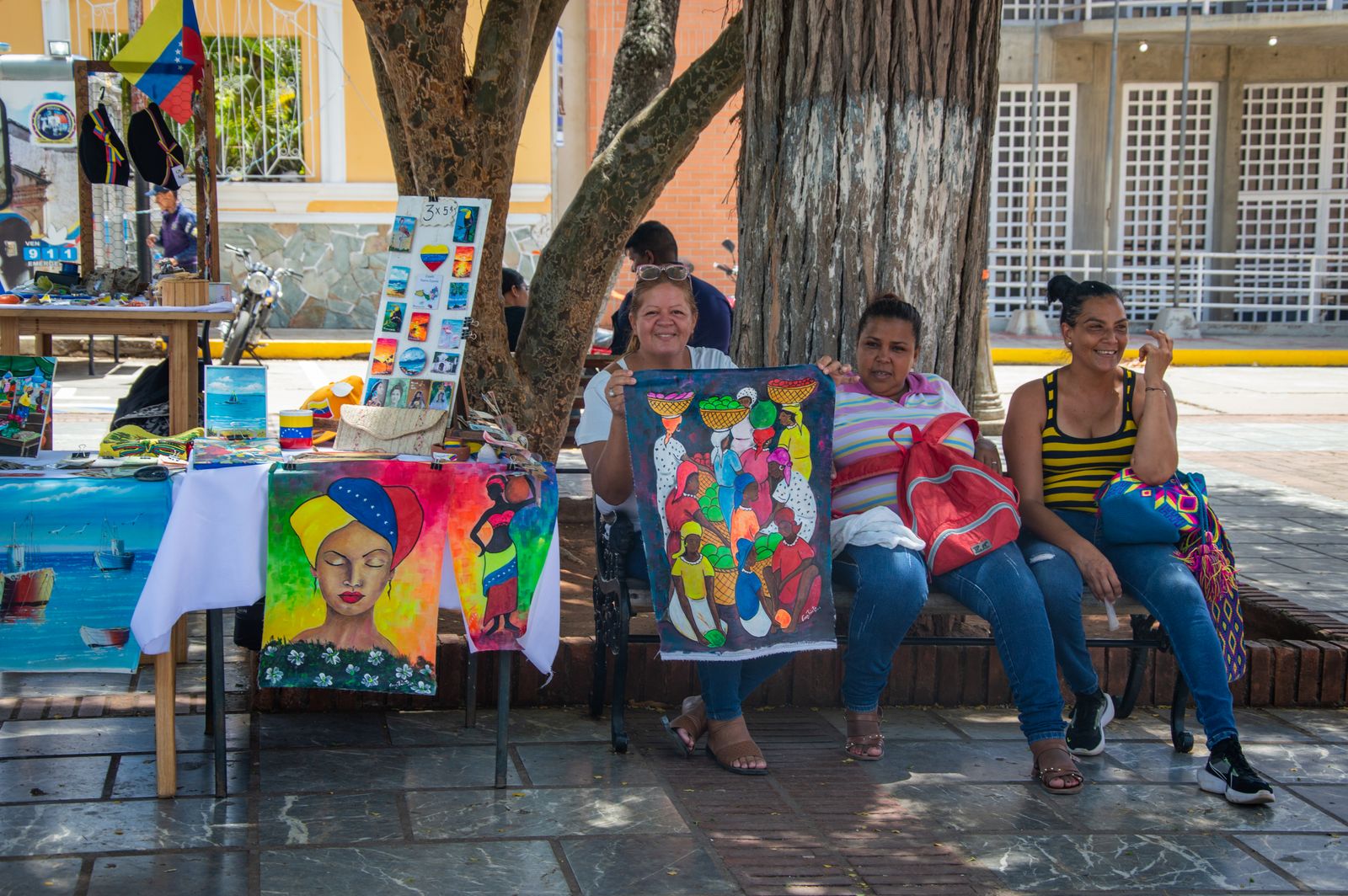
Leimert Park is the hub of African American art and culture in Los Angeles, and has been since the Village grew up around the Brockman Gallery in the late 1960s. In 2025 the state designated Historic South Los Angeles as California's first Black Cultural District, naming Leimert Park among its principal anchors. For a residential neighborhood of this size, the concentration of galleries, performance rooms, festivals and street life is not matched anywhere else in the city.
Leimert Plaza Park at 4395 Leimert Boulevard is the center of the neighborhood in both the design and the social sense, a one-acre Olmsted-planned green with a Mediterranean Revival fountain, open 6 AM to 10 PM. The drum circles that take over the plaza on Sundays are a standing institution and the single best introduction to the neighborhood for anyone considering it.
The Village holds a concentration of performance and exhibition spaces unusual for a residential neighborhood. The World Stage at 4321 Degnan Boulevard is a jazz and spoken-word institution founded in 1989 by the drummer Billy Higgins and the poet Kamau Daaood, running poetry, jam sessions, concerts and weekend workshops through the week. The Barbara Morrison Performing Arts Center at 4305 Degnan Boulevard is a small blues, soul and comedy room named for the late vocalist. Art + Practice, with an exhibition space at 3401 West 43rd Place and a public program space at 4334 Degnan Boulevard, mounts free museum-curated exhibitions and lectures, open Tuesday through Saturday.
The calendar is unusually full for a neighborhood this size. The Leimert Park Village Art Walk runs on the last Sunday of every month, with open-air vendors, food, galleries, fashion showcases and live performances. Day of the Ancestors, the Festival of Masks, is the summer community celebration, hosted by LA Commons at the plaza during the Art Walk and built around a libation ceremony, a procession and a program of dance and music. The Leimert Park Jazz Festival is a day-long outdoor event supporting jazz musicians and visual artists, curated with The World Stage and rebranded under its current name in 2020. The Leimert Park Village Book Fair, founded in 2007 with the Los Angeles Department of Cultural Affairs, is one of the better-known literary festivals in the region, bringing authors, poets and storytellers to the Village. Two major projects are still in progress. The Vision Theatre at 3341 West 43rd Place, a 1931 Spanish Colonial and Art Deco movie palace by Morgan, Walls and Clements that Marla Gibbs bought and renamed in 1990, has been under city restoration since 2011 and has not reopened; a fully programmed season is expected in 2027. Destination Crenshaw, a 1.3-mile public art corridor along Crenshaw Boulevard, is under construction, with Sankofa Park projected to open in late 2026. Kenneth Hahn State Recreation Area is minutes west, and the Academy Award qualifying Pan African Film & Arts Festival runs every February in the Baldwin Hills area.



Leimert Park Schools
Leimert Park is served by the Los Angeles Unified School District, and attendance areas vary by address, so buyers should confirm current assignments for a specific property with the district. In practice, homeowners here tend not to use the assigned neighborhood schools. They plan around magnet programs, charters and private and independent schools instead, and the magnet route is the one most families ask about first.
School assignments, programs, boundaries and magnet priority points are set by the Los Angeles Unified School District and are subject to change. Buyers should verify current enrollment, attendance areas and school-choice rules with the district before relying on school assignments in a real estate decision.

The magnet point is worth understanding before you buy rather than after. LAUSD admits students to its magnet programs through an application that assigns priority points, and one of those point categories attaches to the designation carried by an applicant's assigned resident school. Schools serving this area commonly carry a qualifying designation, so families living here often start the magnet process with points that families elsewhere in the city do not have. Points are assigned annually and the categories change, so confirm the current rules with LAUSD Choices for a specific address rather than relying on any summary.
Families here also use private and independent schools across the Westside. For higher education, the University of Southern California, Loyola Marymount University and West Los Angeles College are all a short drive away.
Leimert Park and Crenshaw Manor at a Glance
Jurisdiction
City of Los Angeles, South region. LAPD Southwest Community Police Station, LAFD, City permitting
ZIP Code
Primarily 90008
Established
Master plan 1927, first homes 1928. Developer Walter H. Leimert; master planner Franz Herding with the Olmsted Brothers
Land Area
Approximately 1.2 square miles
Housing Stock
Predominantly late 1920s through 1940s. Spanish Colonial Revival, Mediterranean Revival and Traditional single-family homes, with duplexes and small apartment buildings toward the southern edge
Typical Sale Price Range
Approximately $1.3 million median as of August 2026, with residential streets generally $1.1 million to $1.5 million and the top of the market between Obama and Martin Luther King Jr. Boulevards
Days on Market
Approximately 54 to 65 days
Historic Designation
Leimert Plaza Park: Los Angeles Historic-Cultural Monument No. 620. Historic Leimert Park Village designated by City Council in 2018. Crenshaw Manor carries no historic designation
Crenshaw Manor
Formally named and bounded by City Council in October 2001, Council File 01-1874, with city signage. Developed from the early 1940s as wartime defense-worker housing, with a set of 1930s Spanish Colonial Revival houses on Wellington Road and Virginia Road that predate it. No published median of its own
Population
Approximately 12,000
Median Age
Approximately 44 years
Households
Approximately 5,500 (averaging roughly 2.2 people)
Transit
Metro K Line underground station at Leimert Park, opened 2022, with a direct ride to the LAX Metro Transit Center. The Metro E Line stops at Exposition and Crenshaw Boulevards, just north of Obama Boulevard where Crenshaw Manor and Leimert Park meet the corridor's northern edge, intersecting the K Line and connecting East Los Angeles with West Los Angeles and the beach at Santa Monica. Bus service on Crenshaw Boulevard, Vernon Avenue and Martin Luther King Jr. Boulevard. Interstate 10 to the north
Under Construction
Vision Theatre restoration, fully programmed season expected 2027. Destination Crenshaw and Sankofa Park, opening projected late 2026
Sources
Sources: U.S. Census Bureau (American Community Survey estimates); Los Angeles Times Mapping LA; City of Los Angeles and Los Angeles Department of Cultural Affairs; Los Angeles County Metropolitan Transportation Authority; MLS market data. Figures should be reviewed at least annually.
Map of Leimert Park and Crenshaw Manor
Neighborhood
Leimert Park and Crenshaw Manor
City
Los Angeles
ZIP
90008
Map center
34.0060, -118.3300
Frequently Asked Questions About Leimert Park Real Estate
The median sale price in Leimert Park was approximately $1.3 million as of August 2026, and homes on the residential streets have generally been selling between $1.1 million and $1.5 million. The top of the market sits between Obama and Martin Luther King Jr. Boulevards, where lots are larger, and condition and intact original detail move price as much as location within the neighborhood. Homes have been taking somewhere between 54 and 65 days to sell, with roughly 20 changing hands in a typical month, and Leimert Park remains the most attainable of the three historic neighborhoods in this corridor.
Leimert Park is predominantly a 1920s and 1930s neighborhood and holds one of the densest concentrations of intact Spanish Colonial Revival single-family housing in Los Angeles: stucco walls, red clay tile roofs, arched entries and openings, wrought iron and enclosed patios. Mediterranean Revival and Traditional houses appear throughout, with some Craftsman and 1940s infill, and the Village's commercial buildings include notable Art Deco work. Lots are flat and consistent because the neighborhood was subdivided at once.
Crenshaw Manor is a separate neighborhood immediately across Crenshaw Boulevard, and the two are usually searched and sold together because they share the Martin Luther King Jr. Boulevard junction and the Metro station. Unlike most neighborhood names here, Crenshaw Manor is formally designated: Los Angeles City Council named and bounded it in October 2001 under Council File 01-1874 and had signage installed, and a neighborhood sign stands at Crenshaw and Obama Boulevards. It was built from the early 1940s as wartime defense-worker housing, so expect single-story houses on a flat grid rather than the 1920s Spanish Revival found in Leimert Park. It carries no historic designation and no published median of its own.
Because it was designed as a complete community rather than assembled tract by tract. Walter H. Leimert commissioned a master plan in 1927 from Franz Herding working with the Olmsted Brothers, making it one of the first comprehensively planned communities in Southern California. The plan put public improvements first, gave the neighborhood broad boulevards and terminating vistas, and centered everything on Leimert Plaza Park, now Los Angeles Historic-Cultural Monument No. 620. A century later it is still legible from the sidewalk, which is rare in Los Angeles.
Historic Leimert Park Village is the neighborhood's commercial and cultural core, concentrated on Degnan Boulevard and 43rd Place and formally designated by the Los Angeles City Council in 2018. It is the center of African American art and culture in Los Angeles, a role it has held since the late 1960s, and in 2025 the state named Historic South Los Angeles as California's first Black Cultural District with Leimert Park among its principal anchors. Every business in it is independently owned, with no chain stores at all. Currently operating venues include the World Stage, the Barbara Morrison Performing Arts Center, Art + Practice, the ORA cafe, Harun Coffee, Sole Folks, Ackee Bamboo, All Chill, Queen Aminah's, Nappily Naturals and Apothecary, Neighbors Skate Shop, Ride On Bike Co-Op, Sika by Queen Midas Gold and Aziz Gallerie. The Art Walk runs on the last Sunday of every month and drum circles fill the plaza on Sundays. The roster does change, so it is worth asking rather than relying on an online guide.
Not yet. The Vision Theatre on West 43rd Place opened in 1932 as the Leimert Theatre, a Spanish Colonial and Art Deco movie palace designed by Morgan, Walls and Clements, and it was bought and renamed by the actor Marla Gibbs in 1990 before passing to the City of Los Angeles. City restoration began in 2011. An $11 million rehabilitation completed in 2012 returned the front section to limited community use, but the auditorium remains closed. The Department of Cultural Affairs has partnered with the WACO Theater Center, and a fully programmed season is expected in 2027. Timelines have moved repeatedly, so treat any date as provisional.
Better than most Los Angeles neighborhoods of its type. The Metro K Line has an underground station at Leimert Park that opened in 2022, giving a direct ride south to the LAX Metro Transit Center. The Metro E Line runs along the northern boundary of Leimert Park and Crenshaw Manor, stopping at Exposition and Crenshaw Boulevards just north of Obama Boulevard, where it meets the K Line and connects East Los Angeles with West Los Angeles and the beach at Santa Monica. Because the commercial core sits inside the neighborhood rather than on an arterial, many residents can walk to cafes, galleries and the park, and the flat grid makes walking and cycling easier than in the neighboring hillside districts. Bus service runs on Crenshaw Boulevard, Vernon Avenue and Martin Luther King Jr. Boulevard, and Interstate 10 is just north.
All three sit in the same corridor and share a history, but they are different products. Leimert Park is the flattest, most walkable and most architecturally uniform, built as an Olmsted-planned community of 1920s and 1930s Spanish Revival houses. Baldwin Hills, west across Crenshaw Boulevard, is mid-century hillside housing with panoramic views and a wider price range. View Park, southwest, is unincorporated county rather than City of Los Angeles, holds a National Register historic district, and generally carries the highest median. Buyers who want to walk to a cafe tend here; buyers who want a view tend to the other two.
Leimert Park is one of the three neighborhoods Erica Lockhart and Lorin Ruttenberg know best, and they are longtime residents of this part of Los Angeles. Between them the team brings more than 40 years of combined experience and more than 1,000 closed transactions, and it ranks in the top 1.5 percent of agent teams by volume in the United States in the Wall Street Journal REAL Trends rankings. Affiliated with Compass, they work as advocates rather than salespeople, which in Leimert Park means being candid about what a century-old Spanish house will need, what a block is really worth, and what is actually open in the Village this month.
More Neighborhood Guides
All neighborhoods

Find Your Home in Leimert Park
Ahead of the Curve Homes helps buyers and sellers across Leimert Park and Crenshaw Manor, from the Spanish Revival blocks around Leimert Plaza to the Crenshaw Manor grid. Erica Lockhart and Lorin Ruttenberg are longtime residents of this part of Los Angeles and bring over 1,000 closed transactions. To talk through a purchase, a sale, or what your home is worth now, call 424-354-4224 or email team@aotchomes.com.
Contact Ahead of the Curve Homes
Call
424-354-4224Office
9454 Wilshire Blvd, 4th Floor, Beverly Hills
Hours
Mon to Fri 9 to 6 · Sun 11 to 5 · Sat closed